
Improving Your Property with Asphalt Paving
Improving a property’s exterior is one of the most effective ways to enhance both its functionality and overall value, and asphalt paving remains one of the most reliable solutions for achieving that goal. Whether used for residential driveways, private roads, or commercial parking lots, asphalt paving offers durability, visual appeal, and long-term cost efficiency. Its smooth finish creates a clean, professional look while standing up well to daily use and changing weather conditions.
Property owners often choose asphalt paving because it balances performance with affordability. Compared to many other paving materials, asphalt installs relatively quickly and can be tailored to a wide range of applications. From small residential upgrades to large commercial improvements, asphalt paving provides a dependable surface that enhances safety, accessibility, and curb appeal. Understanding how asphalt works, how projects are planned, and how proper installation and maintenance contribute to longevity helps ensure the best possible results.
Understanding the Value of Asphalt Paving
Asphalt paving is made from a carefully engineered blend of aggregates such as sand, gravel, and stone, bound together with asphalt cement. This composition creates a surface that is strong yet flexible, allowing it to withstand vehicle weight and adapt to temperature fluctuations. That flexibility is one reason asphalt paving performs well in climates that experience both hot summers and cold winters.
Another advantage of asphalt paving is its adaptability. Different mixtures can be designed to support heavier traffic loads, improve drainage, or enhance durability in challenging environments. This versatility makes asphalt paving suitable for everything from residential driveways to high-traffic commercial areas. In addition to its performance benefits, the dark, uniform appearance of asphalt provides a polished look that complements many architectural styles.
Compared to other materials, asphalt paving delivers a smooth driving surface that improves comfort and reduces wear on vehicles. Its clean finish also enhances property aesthetics, which can positively influence first impressions and resale value. These combined benefits explain why asphalt paving remains a preferred option for many property owners.
Comparing Asphalt to Other Paving Materials
When evaluating paving options, it is important to understand how asphalt paving compares to alternatives such as concrete, gravel, and pavers. Asphalt paving is often more cost-effective upfront than concrete and requires less installation time. Concrete, while durable, typically involves higher material and labor costs and can be more prone to cracking under extreme temperature changes.
Gravel may appear inexpensive initially, but it often requires frequent replenishment and does not provide the smooth, finished appearance of asphalt paving. Loose gravel can also create drainage and safety concerns over time. Pavers offer decorative appeal, but they come with higher installation costs and ongoing maintenance challenges, such as weed growth and shifting stones.
Asphalt paving stands out by offering a balance of durability, affordability, and visual consistency. Its ability to handle heavy use while maintaining a clean appearance makes it a practical solution for both residential and commercial applications. For property owners seeking long-term value without excessive maintenance demands, asphalt paving often proves to be the most efficient choice.
Planning an Asphalt Paving Project
Successful asphalt paving begins with thoughtful planning. Evaluating the property’s layout, drainage needs, and intended use helps determine the scope of the project. Proper grading and drainage planning are especially important, as water management plays a major role in the lifespan of asphalt paving.
Choosing the right asphalt mixture is another critical decision. Climate conditions, traffic volume, and budget considerations all influence which type of asphalt paving will perform best. Consulting with experienced professionals ensures the selected materials align with both immediate needs and long-term performance goals. According to HomeAdvisor, 70% of homeowners prefer hiring paving companies with local references, highlighting the importance of working with contractors who understand regional conditions.
Establishing a realistic budget and timeline also contributes to a smoother project. Factoring in preparation, materials, labor, and potential contingencies helps prevent unexpected setbacks. When properly planned, an asphalt paving project can be completed efficiently while delivering reliable and visually appealing results.
Executing the Installation Process
The installation phase is where planning and preparation come together. Asphalt paving begins with site preparation, which includes clearing debris, addressing drainage concerns, and compacting the soil to create a stable foundation. This base is essential for preventing future issues such as cracking or uneven surfaces.
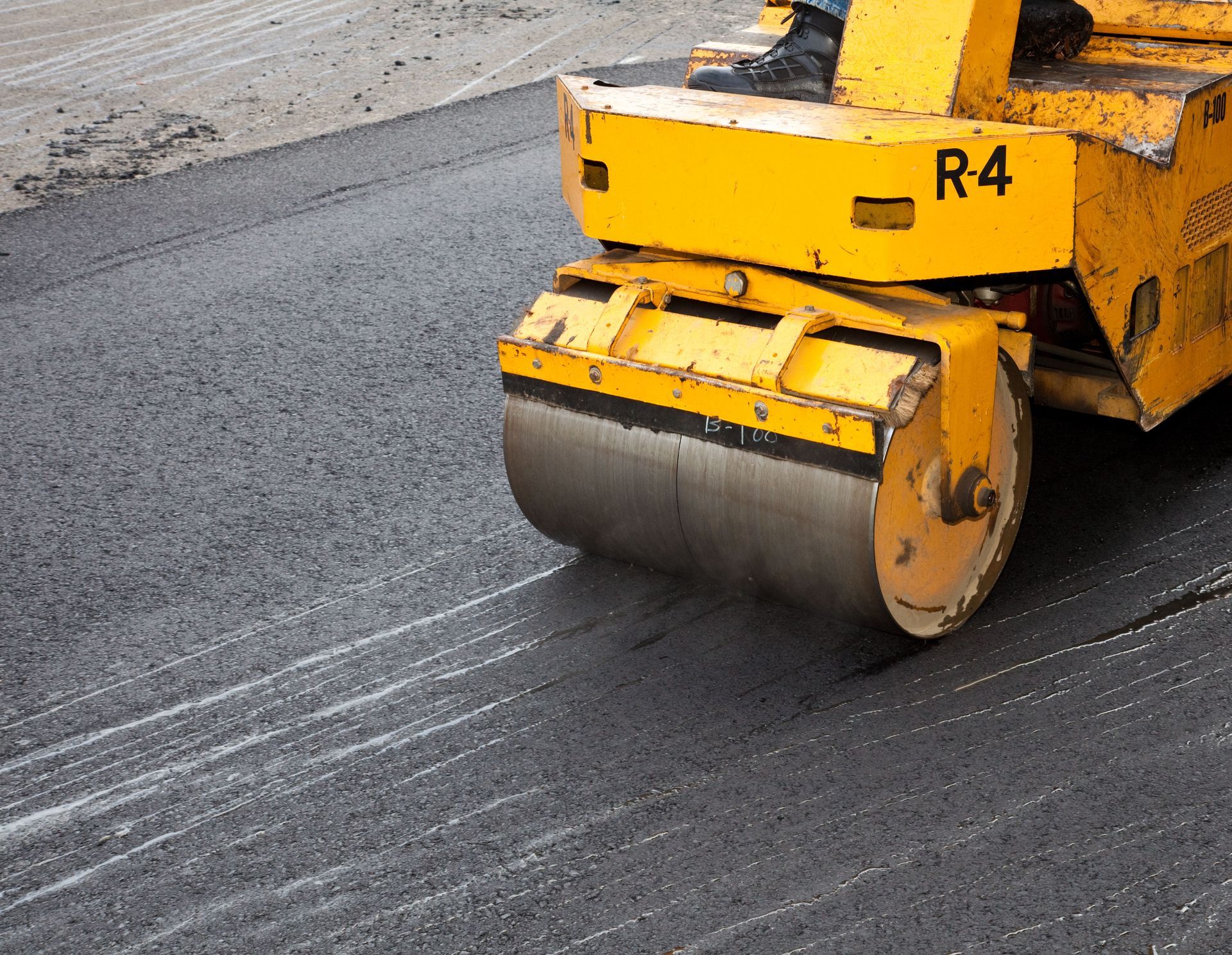
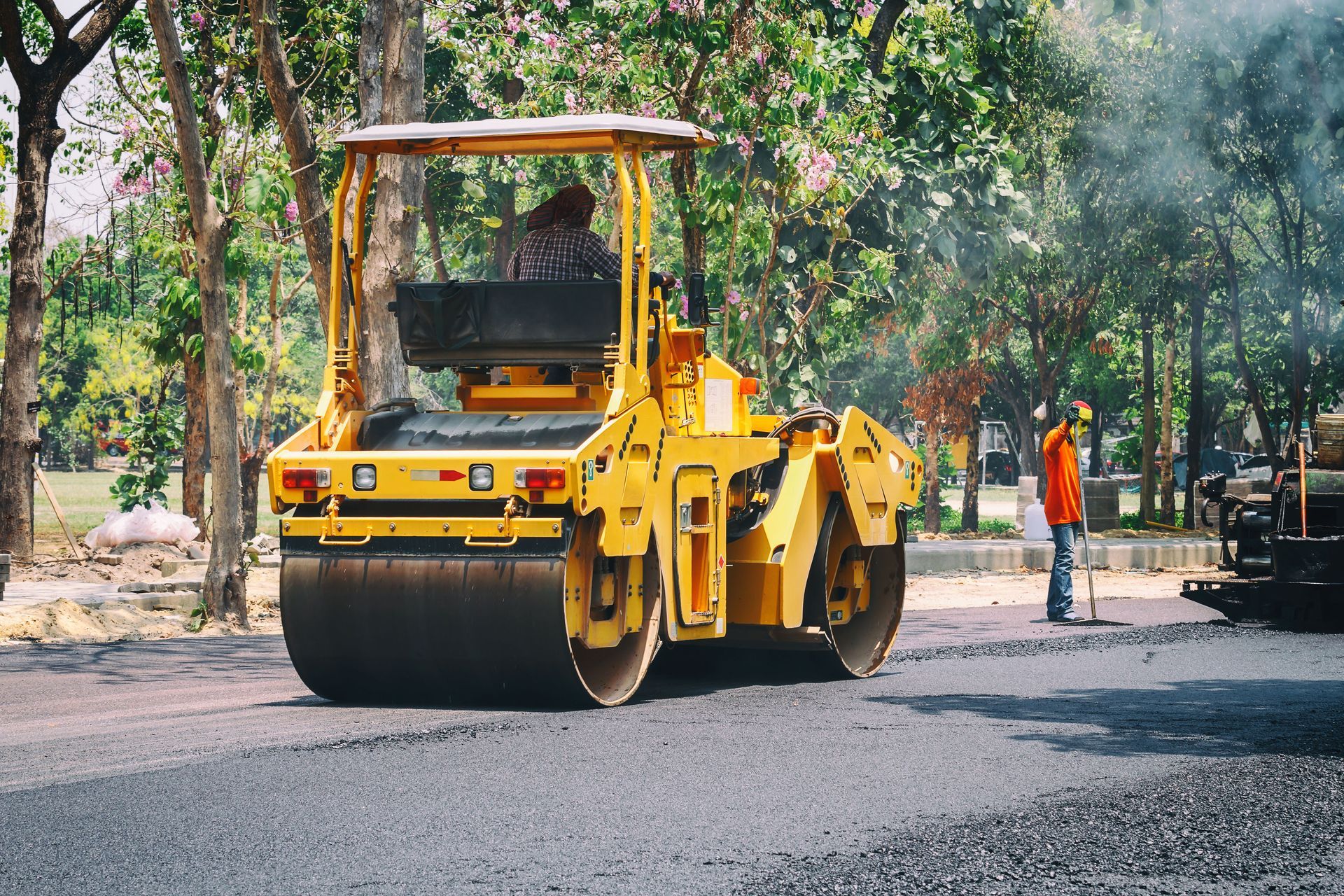
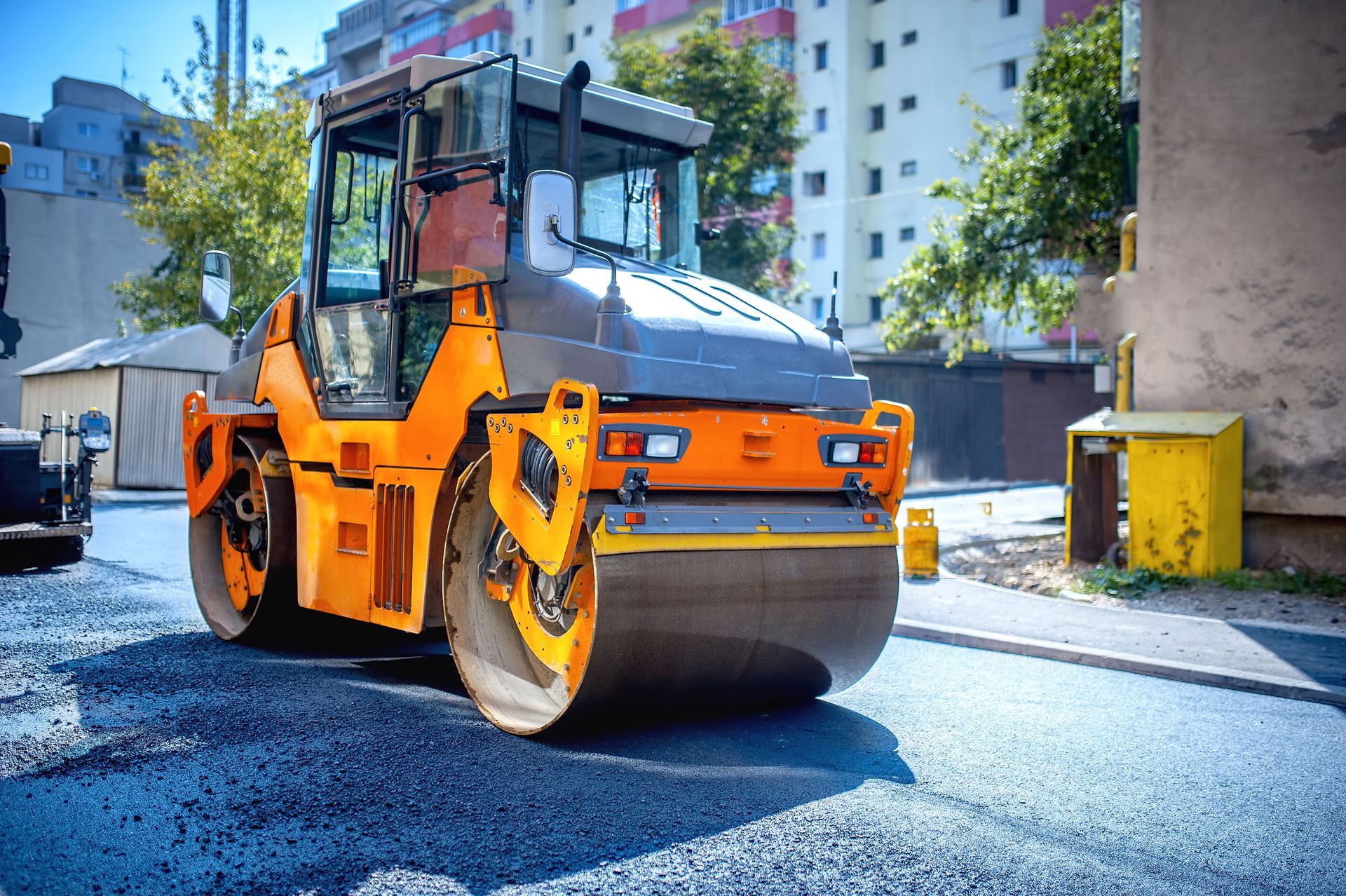
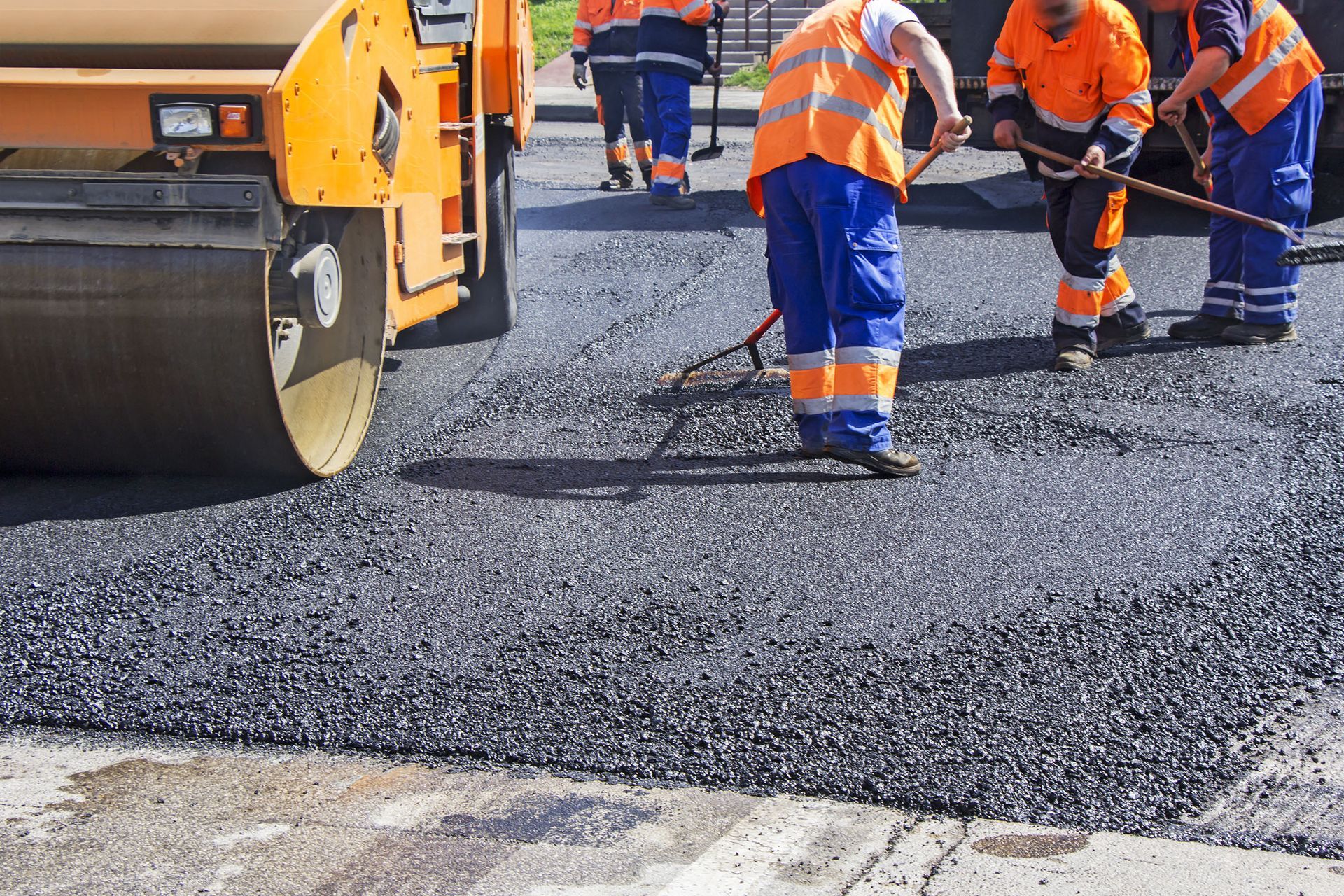
Once the foundation is in place, base layers of crushed stone or gravel are installed and compacted. These layers support the asphalt paving and promote proper water drainage. The asphalt mixture is then applied while hot, allowing it to spread evenly and bond effectively with the base. Immediate compaction ensures the surface achieves the necessary density and strength.
Attention to detail during installation directly affects the performance and appearance of asphalt paving. Proper edging, smooth transitions, and consistent thickness contribute to durability and safety. A well-executed installation results in a surface that is ready for use after curing and capable of withstanding years of regular traffic.
Maintaining Asphalt for Long-Term Performance
Regular maintenance is key to preserving the benefits of asphalt paving. Routine inspections help identify early signs of wear, such as small cracks or surface imperfections, before they develop into larger problems. Cleaning debris and addressing spills also prevents damage caused by chemicals or moisture penetration.
Sealcoating is one of the most effective maintenance practices for asphalt paving. Applied every few years, sealcoating protects the surface from UV rays, water intrusion, and oxidation. This protective layer not only extends the lifespan of asphalt paving but also restores its rich, dark appearance. By reducing surface wear and slowing the aging process, sealcoating helps minimize the need for costly repairs. It also creates a smoother, more uniform finish that enhances both traction and overall visual appeal.
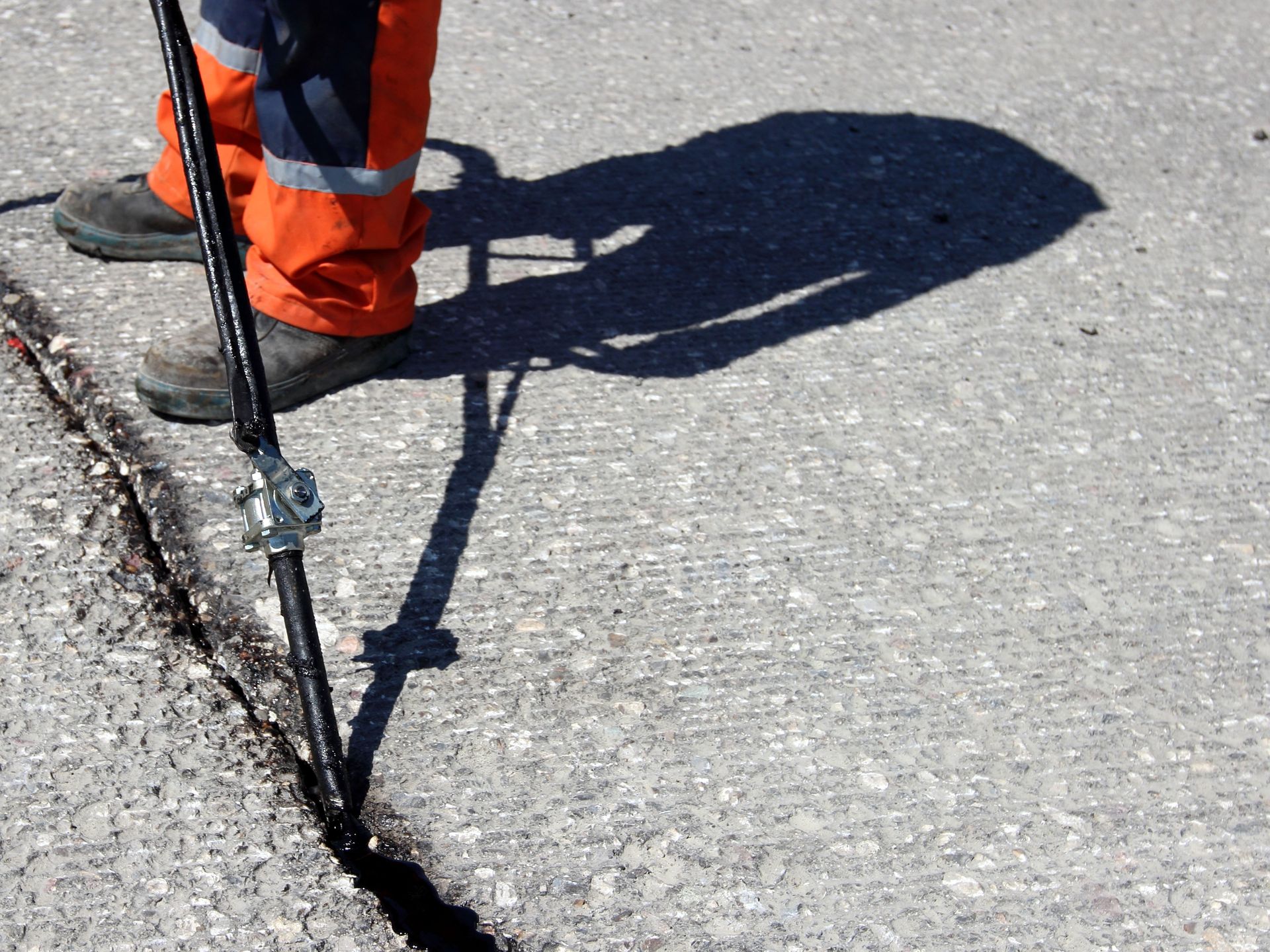
Timely repairs further enhance longevity. Filling cracks and addressing surface damage promptly prevents water from reaching the base layers, which could compromise structural integrity. With consistent care, asphalt paving can maintain its strength, appearance, and functionality for decades.
Enhancing Property Value with Asphalt Paving
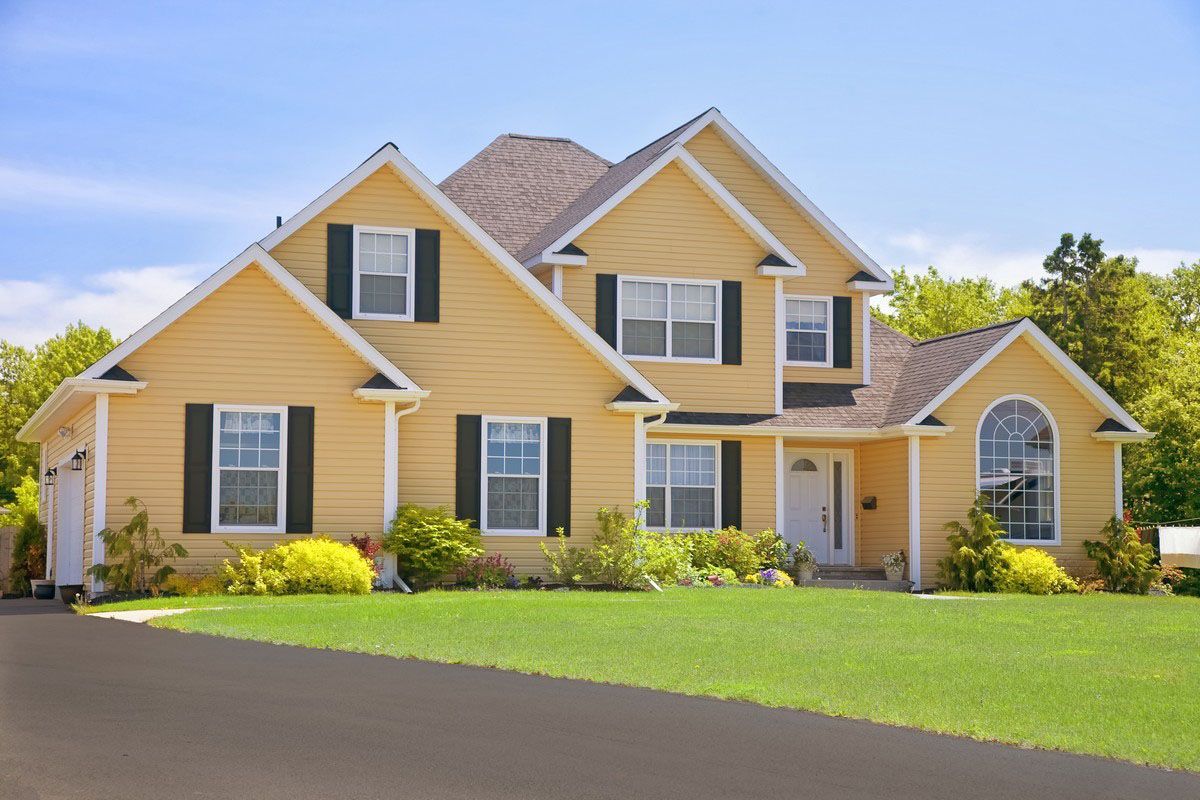
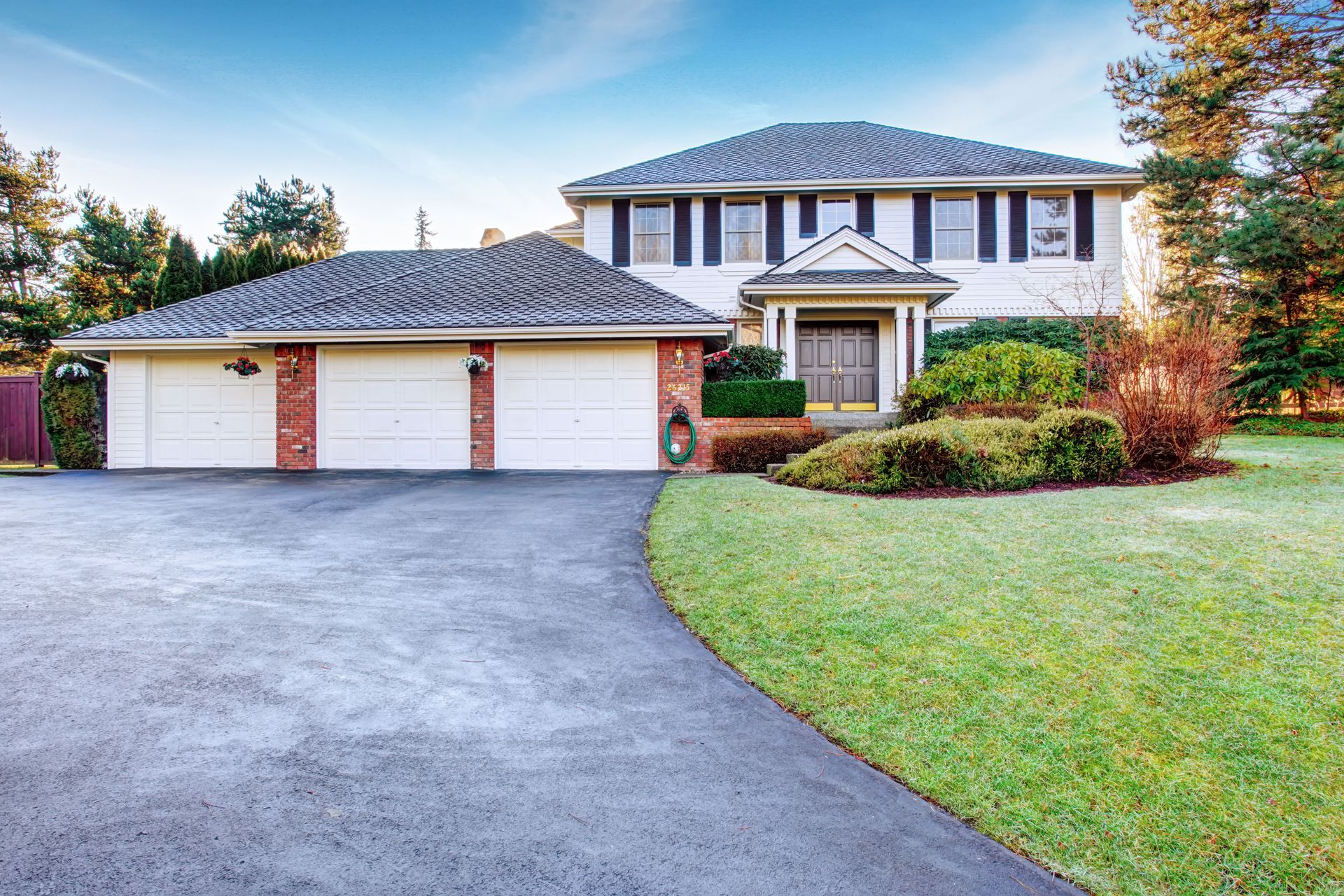
Beyond durability and performance, asphalt paving contributes significantly to property value. A smooth, well-maintained surface improves accessibility and safety while enhancing curb appeal. For commercial properties, clearly marked and professionally paved areas create a positive impression for customers and clients. This attention to exterior quality can also signal professionalism and long-term investment, helping build trust and confidence with visitors, tenants, or potential buyers.
Asphalt paving also supports sustainability efforts through recyclability and efficient material use. Modern paving practices often incorporate recycled asphalt, reducing waste and conserving resources. These environmentally responsible approaches appeal to today’s eco-conscious property owners and buyers. By combining practical benefits with aesthetic appeal, asphalt paving becomes an investment that pays off over time. Its ability to improve functionality, appearance, and overall property perception makes it a valuable upgrade for a wide range of applications.
Asphalt paving remains one of the most effective ways to improve a property’s exterior through durability, affordability, and visual appeal. From careful planning and professional installation to ongoing maintenance, each stage plays a vital role in ensuring long-lasting results. When properly executed, asphalt paving enhances safety, usability, and property value while offering a clean, polished appearance.
Whether upgrading a driveway or developing a larger paved area, working with experienced professionals ensures the project meets both immediate needs and long-term expectations. To transform your property with reliable, high-quality asphalt paving, contact Leone's Landscaping & Construction today and take the first step toward a stronger, better-looking surface.
Share On: