
5 Signs It Is Time to Call an Asphalt Paving Service
Asphalt surfaces, much like any other structural elements, require regular attention to function at their best and look appealing. Understanding when to call a professional asphalt paving service is crucial for maintaining the longevity and safety of your pavement. Let's look at a few key signs that indicate it's time to seek expert help, ensuring your asphalt surfaces remain in top condition.
1. Visible Cracks on the Surface
Types of Cracks
Asphalt cracks can be quite varied, with each type indicating different underlying issues. The most common are alligator cracks, named for their resemblance to the scaly skin of an alligator. Longitudinal cracks run parallel to the length of the pavement and are often the result of poor drainage or temperature fluctuations. Transverse cracks, on the other hand, cut across the pavement and can be caused by changes in temperature or improper placement of joints during construction. Identifying these types allows for targeted interventions and more effective repairs by an asphalt paving service.
Causes of Asphalt Cracks
Several factors contribute to the development of cracks in asphalt surfaces. Heavy traffic load is one of the primary causes, as the constant pressure wears down the surface over time. Water infiltration also plays a significant role, especially when it seeps into the sub-base, freezes, and expands, leading to cracks. Temperature changes cause asphalt to contract and expand, which also results in cracking. Overall, understanding these causes is essential for effective prevention and maintenance strategies.
Impact on Structural Integrity
Cracks in asphalt are not merely an aesthetic problem; they compromise the structural integrity of the pavement. Once cracks form, they allow for the entry of water and debris, which exacerbates existing damage and potentially destabilizes the underlying foundation. This deterioration affects the load-bearing capacity of the asphalt, leading to more frequent and severe potholes. When left unaddressed, even minor cracks can quickly evolve into much larger issues that require comprehensive repairs. Analyzing the impact of these cracks can guide decisions on when repairs are necessary.
2. Formation of Potholes
Identifying Potholes
Potholes are a common but potentially severe issue in asphalt pavements. They typically appear as bowl-shaped depressions in the surface and can vary greatly in size. Potholes form when water infiltrates cracks, freezes, and expands before the thawing cycle weakens the pavement structure. The subsequent pressure from traffic then dislodges pieces of asphalt, leaving behind a sunken, jagged hole. Recognizing the early signs of pothole formation can prevent more extensive damage and liability.
Dangers of Ignoring Potholes
Ignoring potholes can lead to significant dangers for both vehicles and pedestrians. For vehicles, driving over potholes can result in costly damage to tires, alignment, and suspension systems. Pedestrians, particularly those with mobility challenges, risk injury from tripping or falling into these depressions. Moreover, untreated potholes can lead to larger maintenance issues as they expand and open up the pavement surface to additional erosion and water infiltration. Therefore, addressing potholes with the help of an asphalt paving service is essential for safety and cost-effective maintenance.
Cost Implications of Pothole Damage
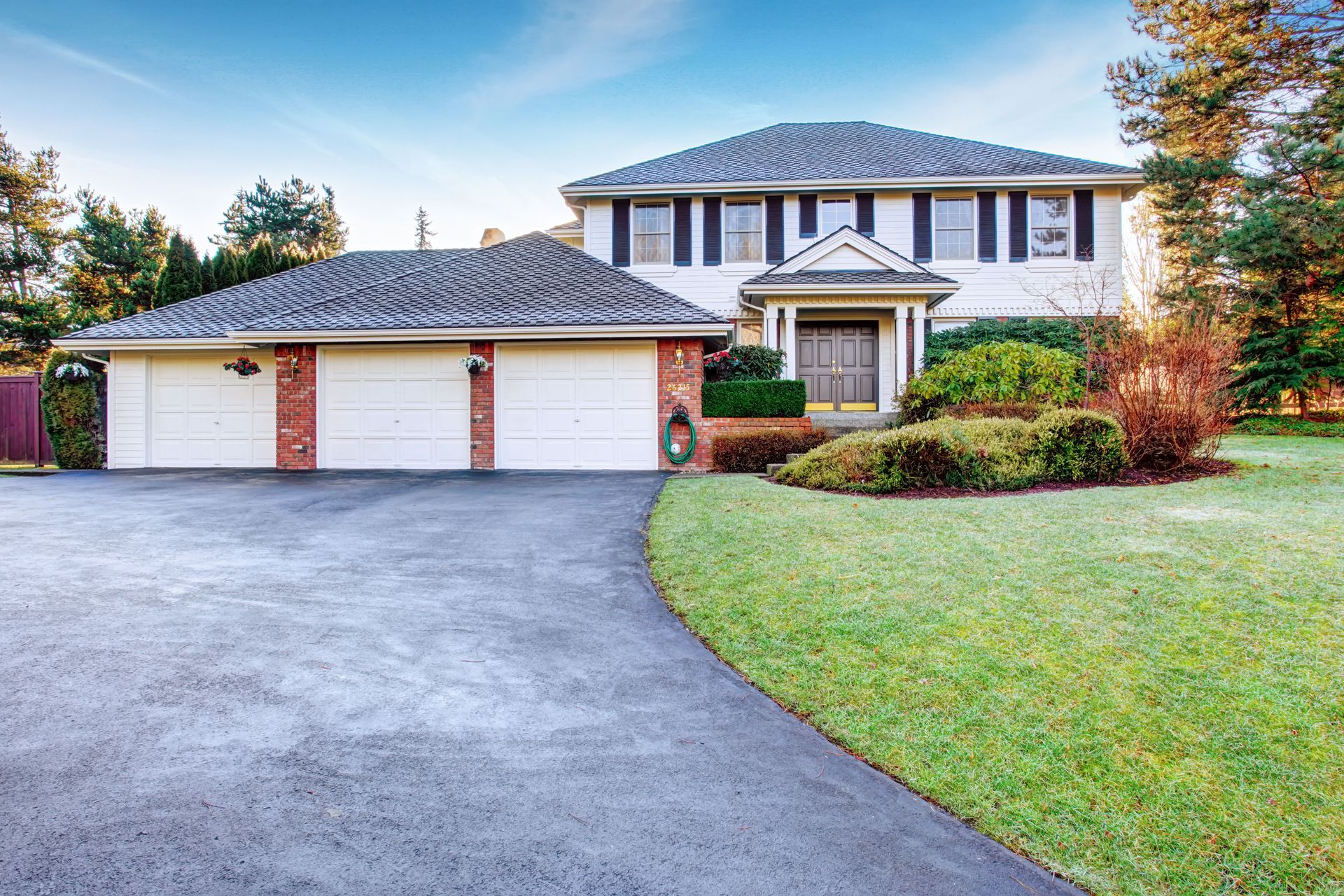
The financial implications of neglecting pothole repairs can escalate quickly. Well-kept driveways and parking areas contribute significantly to the overall property value, enhancing curb appeal. According to a Lawn & Landscape survey, 98% of homeowners agreed that a well-maintained, landscaped yard increases curb appeal and property value. Therefore, overlooking required maintenance can lead not only to repair costs but also to diminished property valuation. Consequently, staying proactive with asphalt maintenance can save substantial amounts in potential repairs and value depreciation.
3. Drainage Problems
Signs of Poor Drainage
Poor drainage is a prevalent issue that presents itself through various distinct signs. Pooling water after rainfall is one of the primary indicators, suggesting that the asphalt is not properly shedding water. If water stands for extended periods on the pavement surface, it can infiltrate the asphalt and damage the sub-base. Water collecting in lower areas or near edges also often signifies drainage issues that need addressing. Recognizing these symptoms facilitates timely corrective measures from an asphalt paving service and preserves the asphalt's structural health.
Effects on Asphalt Pavement
Water damage is one of the most detrimental effects of inadequate drainage on asphalt surfaces. When water becomes trapped and fails to drain properly, it can lead to the weakening and breakdown of the asphalt binder. This breakdown progressively erodes the pavement, creating a breeding ground for cracks and potholes. Moreover, during freeze-thaw cycles, trapped water expands and contracts, exacerbating the damage. Addressing drainage issues promptly is crucial for mitigating these adverse effects and ensuring durable pavement.
Importance of Proper Grading
Proper grading is a fundamental aspect of effective drainage management on asphalt surfaces. It involves designing the pavement to have a slight slope, facilitating natural water runoff and preventing accumulation on the surface. Without proper grading, water pools, leading to accelerated pavement degradation. Professional grading ensures optimal surface contours and effective drainage. Engaging experts to assess and implement appropriate grading minimizes water-related damage and extends the life of the asphalt.
4. Fading or Discoloration
Causes of Fading
Fading or discoloration of asphalt surfaces can occur due to various environmental factors. Prolonged exposure to ultraviolet (UV) radiation is a significant contributor, causing the asphalt to lose its rich hue and gradually fade to a dull gray. Oxidation, a chemical reaction involving the asphalt and environmental pollutants, further accelerates the fading process. Over time, these factors deplete essential oils from the asphalt, resulting in a brittle and discolored surface. Understanding these causes aids in implementing effective preventive measures.
Aesthetic vs. Structural Concerns
While fading primarily affects the visual appeal, it can also indicate potential structural concerns. Discoloration often accompanies surface aging, signaling the weakening of the asphalt's protective capabilities. Although the initial impact is aesthetic, prolonged exposure to UV rays and oxidation compromises the pavement's resilience. Eventually, this deterioration may lead to structural failures, such as cracks and potholes. Balancing aesthetic enhancements with preventive structural interventions enhances both appearance and functionality.
Preventive Measures and Sealcoating
One of the most effective strategies to prevent asphalt fading and discoloration is through regular sealcoating. Sealcoating acts as a protective barrier, shielding the asphalt from UV radiation and oxidation. This treatment not only preserves the pavement's color and integrity but also offers resistance to water infiltration and oil spills. Recommended intervals for sealcoating typically range from every two to three years, depending on traffic and weather conditions. Implementing sealcoating with the help of an asphalt paving service enhances pavement appearance while prolonging its lifespan.
5. Uneven Surface and Warping
Detecting Unevenness
Early detection of surface unevenness and warping is vital in maintaining asphalt integrity. Warp symptoms often manifest as visible undulations or depressions on the pavement. Additionally, drivers may notice an uneven ride quality or small puddles forming after rain. Professional assessments can identify less obvious warping signs and underlying issues. Addressing surface deviations early prevents further deterioration and more extensive repairs.
Causes and Contributors
Several factors contribute to asphalt surface warping and unevenness. Problems with the sub-base, such as settling or erosion, often lead to surface irregularities. Additionally, poor initial construction or usage of substandard materials can result in early warping. Environmental factors, including water damage, freeze-thaw cycles, and heavy traffic, further exacerbate these issues. Identifying root causes enables effective remedial strategies and reduces long-term maintenance burdens.
Impact on Functionality and Appearance
Warping and uneven surfaces affect both the functionality and visual appeal of asphalt pavements. Unevenness disrupts the smooth driving experience, increasing wear and tear on vehicles and posing risks to pedestrian safety. Aesthetically, warped surfaces diminish property value and curb appeal. Therefore, addressing warping issues promptly is essential for maintaining both functionality and aesthetics.
Regular maintenance and timely intervention by a professional paving service are vital to prolonging the lifespan of your asphalt surfaces. Recognizing warning signs not only preserves the quality and safety of your pavement but also saves you from costly repairs in the future. Reaching out to the professionals at Leone's Landscaping & Construction ensures your asphalt surfaces contribute to property value and curb appeal. We can get you started today with a free estimate!
Share On: