
What to Expect During an Asphalt Paving Project
Upgrading your property with a fresh surface is an exciting improvement that adds significant curb appeal and functionality. Whether you are dealing with a crumbling residential driveway or a severely damaged commercial lot, knowing exactly how the process works can give you peace of mind. Understanding the specific steps involved makes the entire experience much more manageable. When you hire paving companies in Shrewsbury, MA or Westborough, MA, you can anticipate a highly organized approach from day one. From the initial demolition phase to the final rolling, every step matters. To help you prepare, let us walk through exactly what you can expect when the crew arrives to start your project.
Know What Is Expected When You Start Your Project
Before machinery arrives at your location, comprehensive planning guarantees a successful outcome. Project managers evaluate your site to determine the exact scope of work. They check for underground utilities, evaluate soil conditions, and identify drainage problems that could cause long-term damage. Thorough planning ensures the crew brings correct equipment and materials on day one. During this phase, clear the area of vehicles and outdoor furniture. By making sure the site is completely clear, you help the team providing your asphalt paving services avoid unnecessary delays and get to work on improving your property.
Remove the Old Pavement From Your Property
The physical work begins with the complete demolition of the existing surface. Using machinery like skid steers and excavators, the crew tears up the old driveway or lot. You might wonder what happens to all that torn-up material once it leaves your home. According to the European Asphalt Pavement Association, asphalt is 100% recyclable, making it an eco-friendly option for modern construction. The debris is typically hauled away to a recycling plant where it can be processed and reused. This removal phase can be quite noisy, but it is necessary to create a clean slate.
Grade the Area to Prevent Water Pool Issues
Once the old material is gone, the crew must prepare the ground underneath. Proper grading and sloping are critical because standing water is the biggest enemy of any paved surface. If water pools in the center, it will eventually cause cracks, potholes, and degradation. The team uses specialized laser levels to pitch the surface correctly, ensuring rain flows away from your foundation. Excellent grading ensures your financial investment remains intact for decades. When evaluating providers of asphalt paving services, always ask about their specific grading techniques to ensure a solid foundation.
Build a Strong Base for Your Pavement
After the ground is leveled and sloped, the crew moves on to laying the critical sub-base. The sub-base provides a stable foundation for the new surface and acts as a barrier against winter freezing and spring thawing cycles. Usually composed of crushed stone, this layer must be applied at the correct thickness and compacted tightly. Without a robust base, top layers will easily shift under the weight of vehicles. A team delivering exceptional asphalt paving services will never rush this phase, taking the time to ensure the crushed stone is perfectly distributed.
Conduct a Proof Roll to Find Soft Spots
To verify the sub-base is strong enough to support final layers, the crew performs a proof roll. This process involves driving a heavy machine – often a loaded dump truck – over the entire crushed stone base. As the truck slowly rolls across the surface, workers watch to see if the ground flexes under the immense weight. If the base yields more than a specific amount, it indicates a soft spot that needs immediate repair. The crew digs out the weak area and reinforces it. This thorough testing guarantees your new surface will not collapse.
Lay Down the Binder Layer With Great Care
With a solid and tested foundation in place, it is time to apply the binder layer. Think of the binder as the structural backbone of the entire installation. This thick layer features large aggregate mixed with oil, creating a highly durable layer. Because the stones are relatively large, this layer looks coarse but is incredibly sturdy. The thickness depends heavily on what kind of traffic the area receives. Companies providing asphalt paving services always calculate the exact load requirements to ensure the binder is thick enough to handle your specific daily vehicle usage.
Install the Top Layer for a Smooth Finish
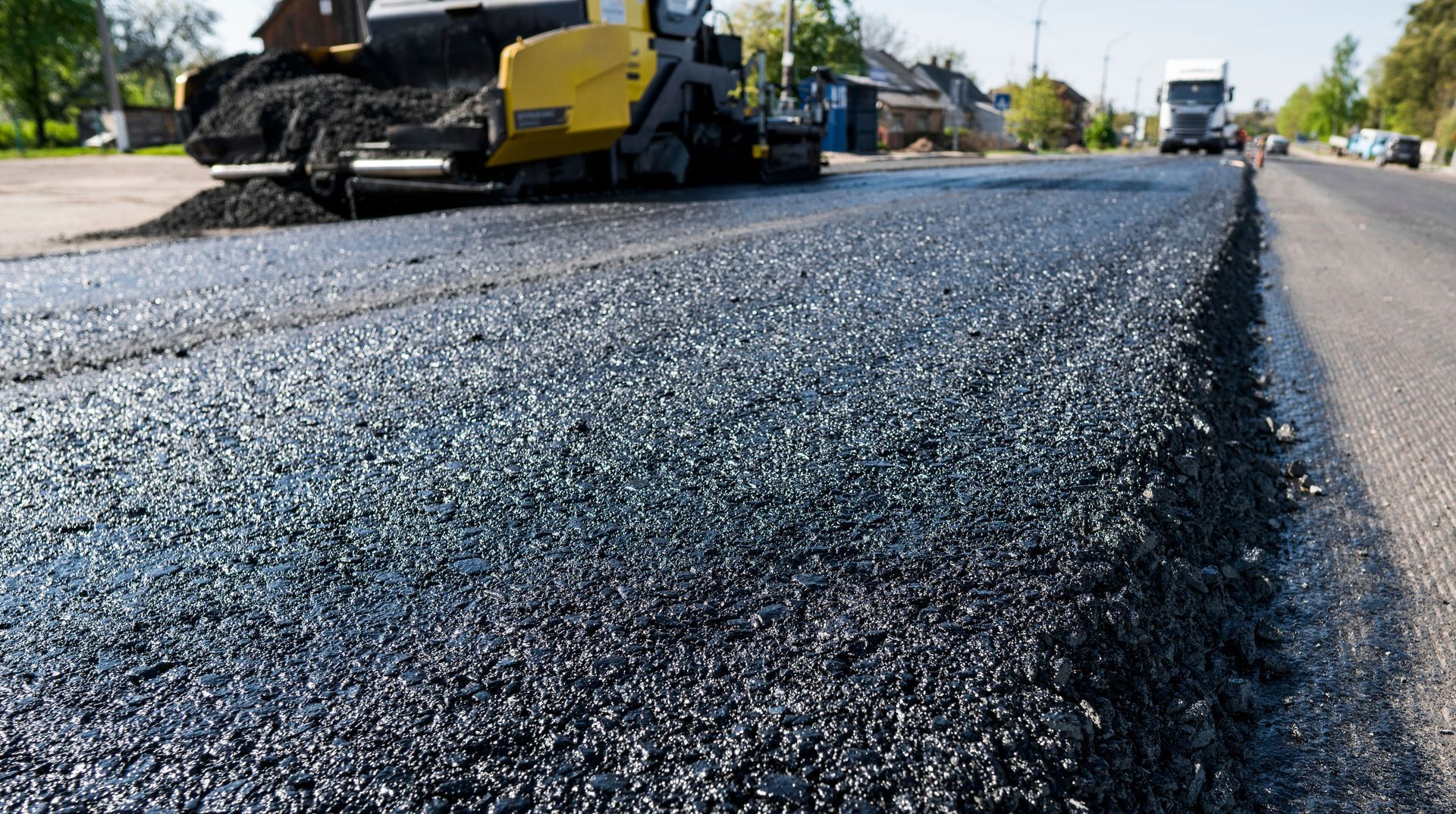
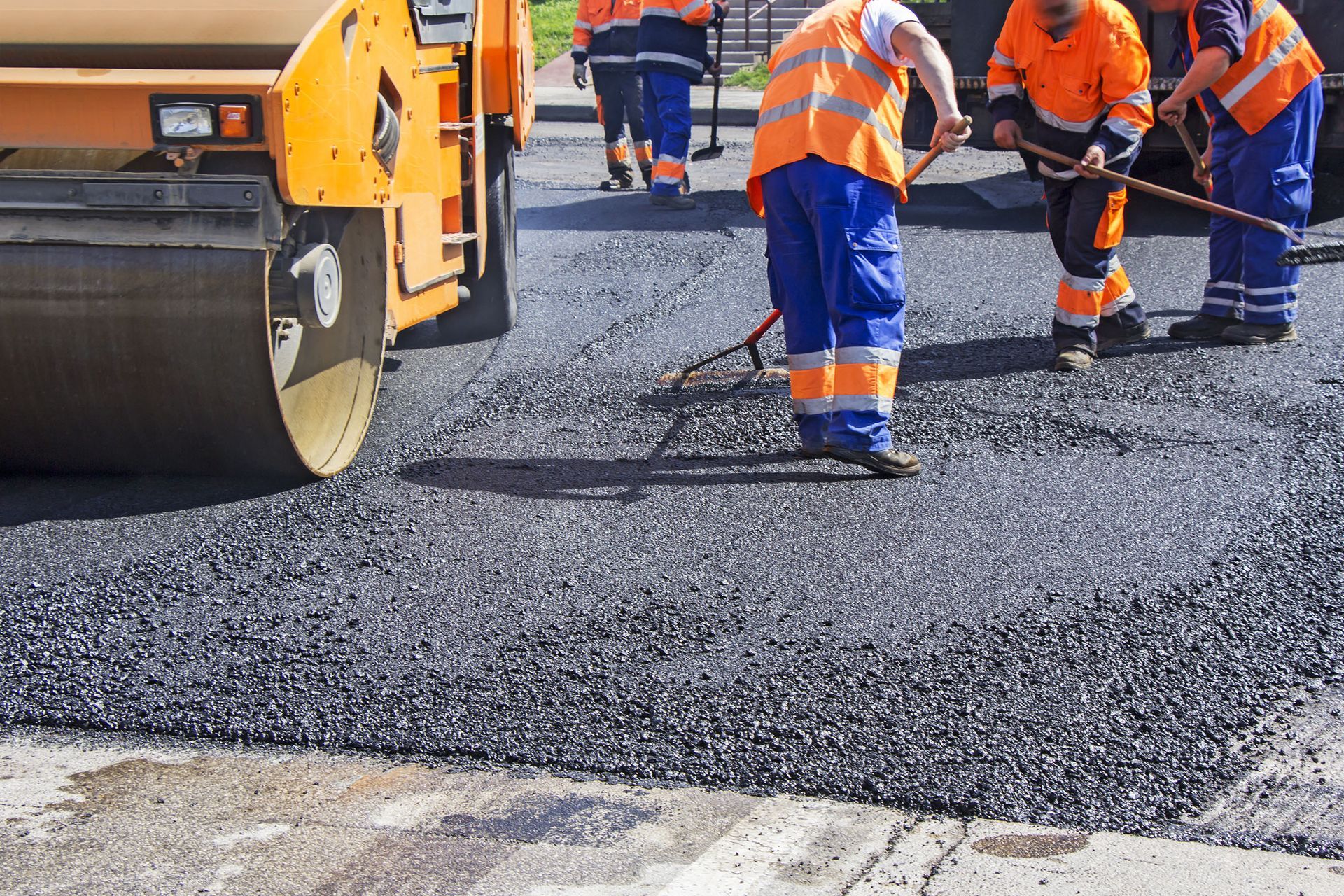
After the binder is in place, the crew installs the fresh material directly on top. This is the exciting stage where your project truly starts to look like a finished product. The top layer consists of smaller aggregate, sand, and liquid components, creating a shiny and smooth black surface. The material arrives hot from the plant and must be applied quickly before it starts to cool down. Workers use specialized paving machines to spread the material evenly. The stark contrast between the fresh surface and the surrounding landscape instantly boosts visual appeal.
Roll the Surface to Ensure Proper Compaction
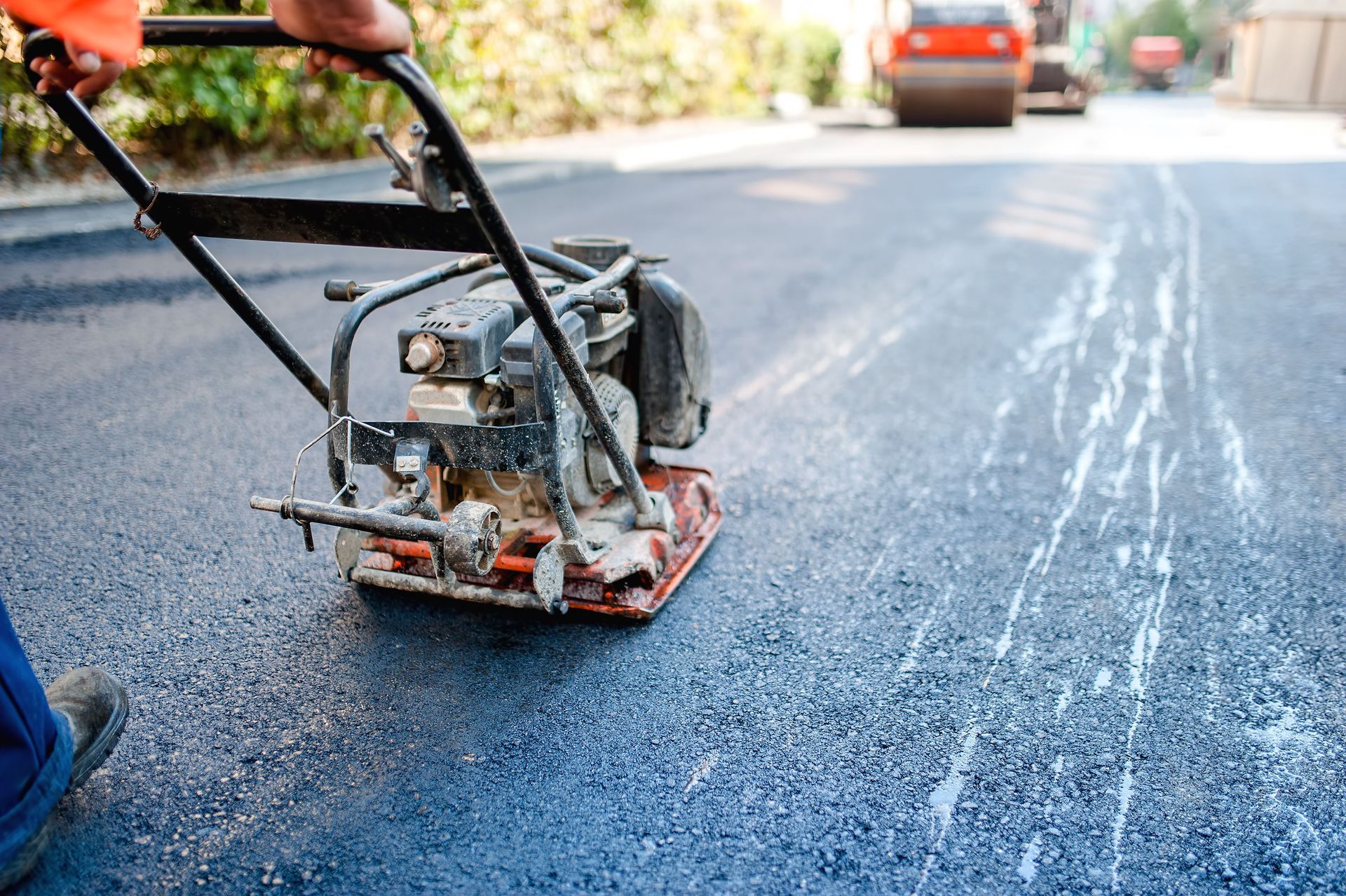
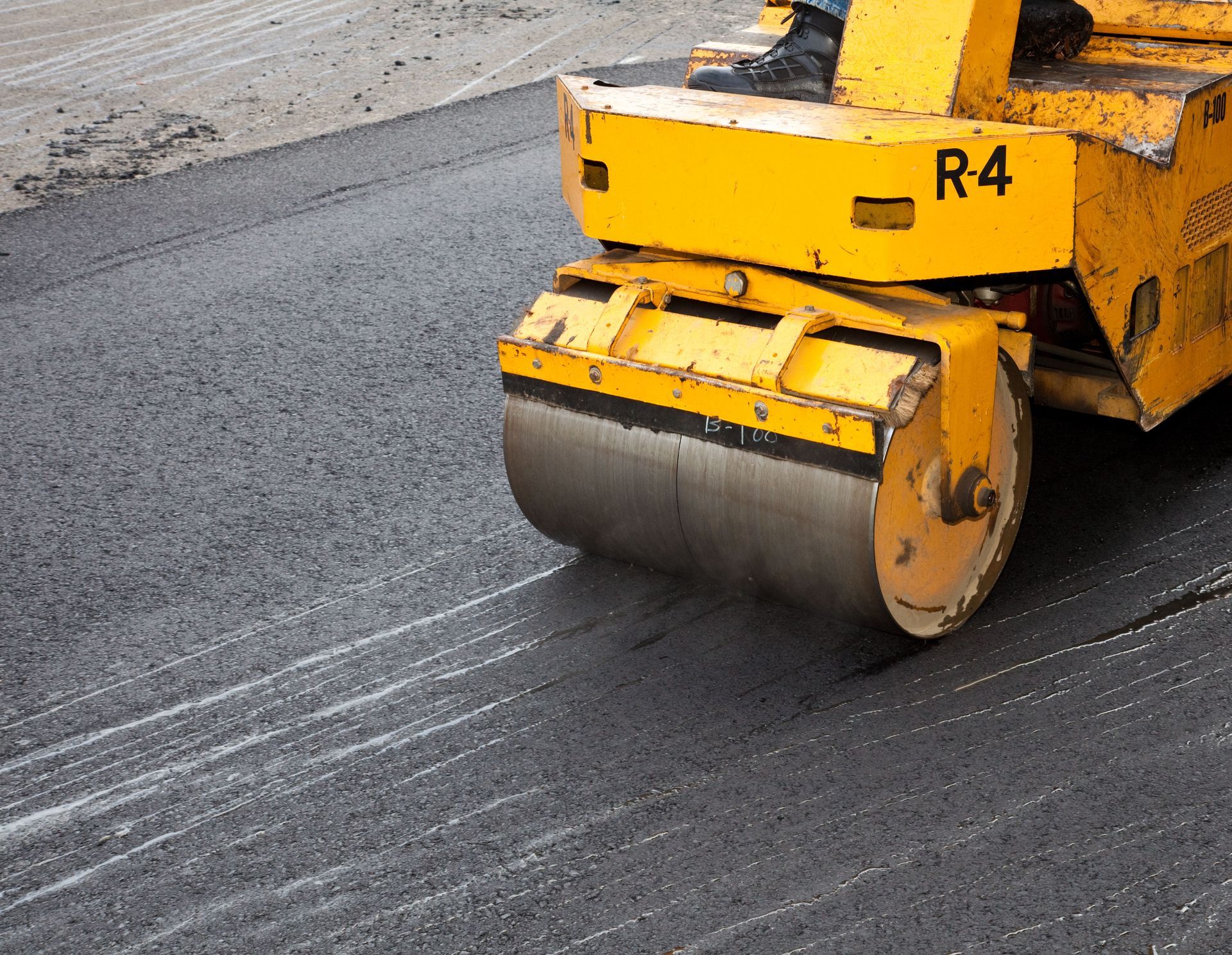
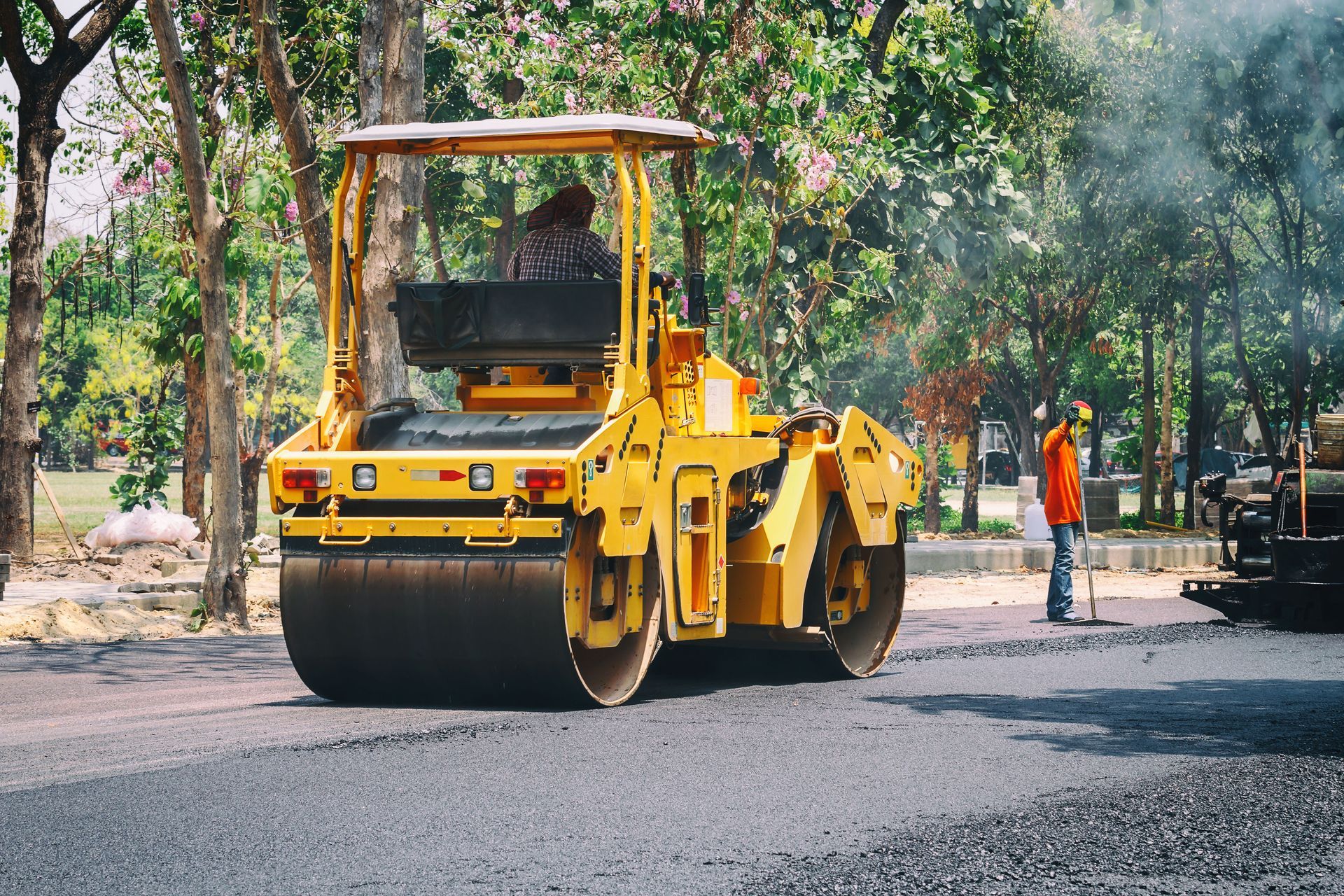
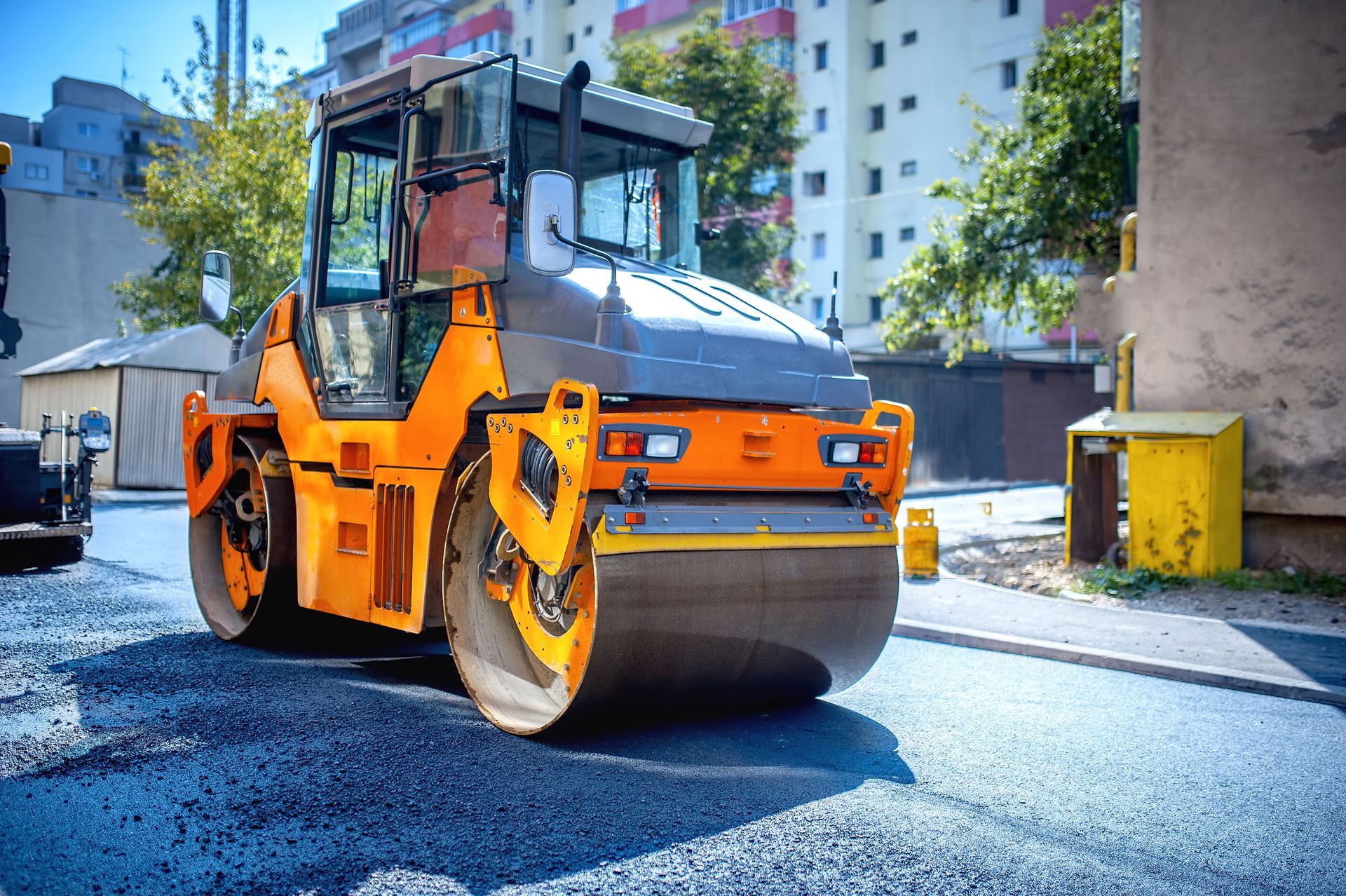
Spreading the top layer is only half the battle; it must also be heavily compacted while hot. The crew uses steam rollers to press the fresh material down, squeezing out trapped air pockets and binding the tiny stones tightly together. Proper compaction prevents water from seeping into the pavement, which is critical for surviving winter weather. If a surface is not compacted correctly, it will be highly susceptible to frost heaves. A company providing top-tier asphalt paving services will maneuver the heavy rollers to create a flat final finish without leaving any marks behind.
Connect the New Surface With Existing Roads
One detail that often goes unnoticed is how the new pavement connects to existing structures. Transition areas – known as butt joints – occur where your driveway meets the public road, your garage floor, or a concrete sidewalk. The crew must carefully blend the new material with the old so there are no sudden bumps or dangerous lips. A seamless transition ensures snowplows will not catch the edge during the winter and vehicles can glide smoothly onto your property. Perfecting these joints guarantees a safe and beautiful surface for everyone who visits your location.
Wait for the Material to Cure Completely
Once the heavy machinery is loaded up and the crew departs, the waiting period begins. Fresh pavement looks ready to use immediately, but it is actually quite soft and vulnerable to damage. Keep all vehicles off the new surface for a couple of days, depending on outside temperatures and humidity levels. Even after you can safely park on it, the material takes up to a full year to completely cure. During this phase, avoid parking heavy vehicles in the exact same spot every day to prevent unwanted permanent indentations.
Protect Your Investment With Proper Upkeep
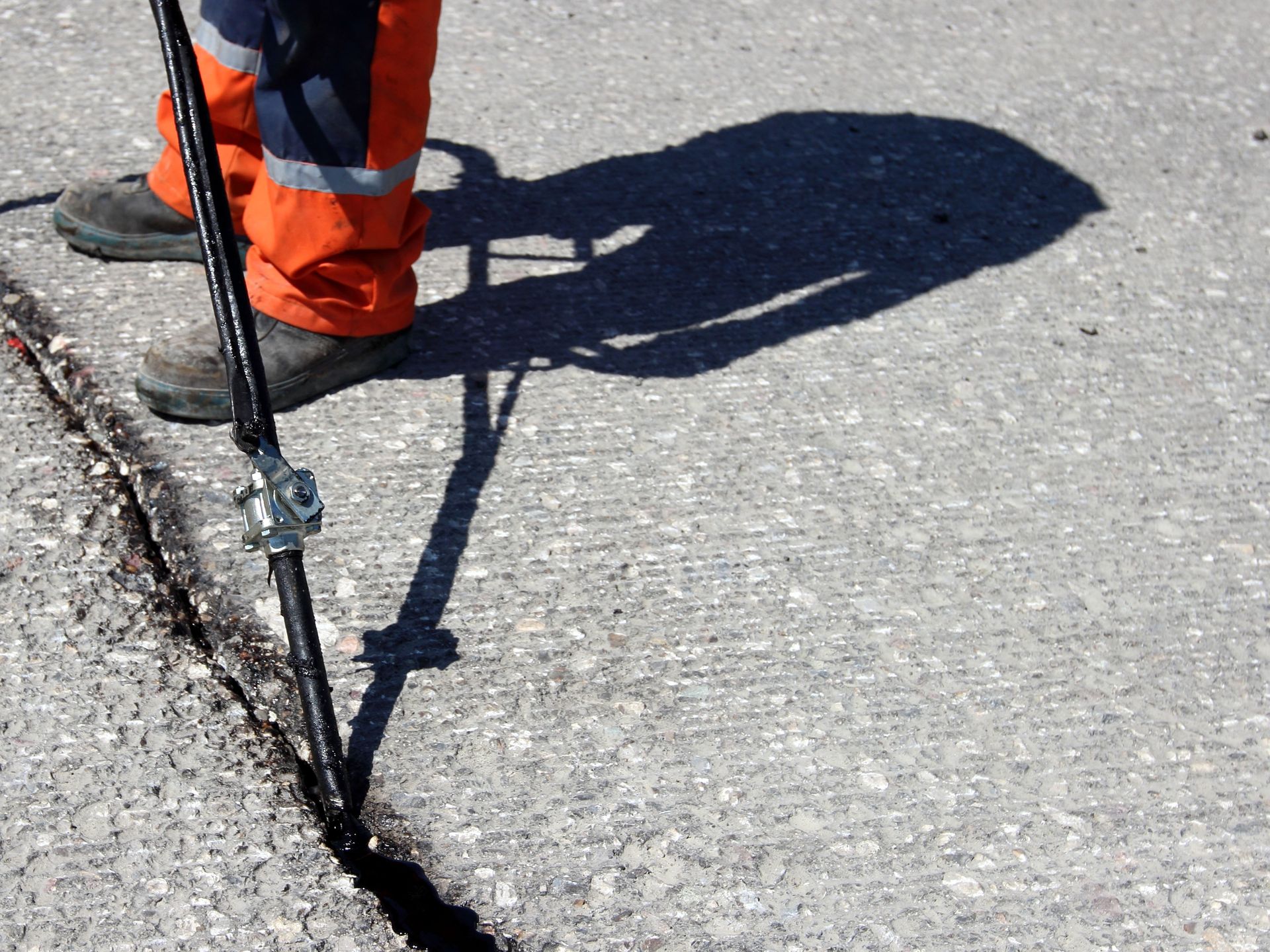
A beautiful new driveway or lot is a significant financial investment, and maintaining it should be a major priority. Regular upkeep extends the lifespan of the pavement and keeps it looking brand new for many years. Sweep away sharp debris regularly and clean up spilled oil immediately, as chemicals dissolve the binding agents. Providing excellent asphalt paving services does not stop at installation. Having professionals apply a protective sealcoat every two to three years shields the surface from harmful ultraviolet rays. If you notice small cracks developing over time, fill them promptly.
If you are ready to upgrade your property, we are here to help guide you through the entire process. We provide comprehensive asphalt paving services designed to enhance both the beauty and daily functionality of your property. Our crews bring years of experience to every job site, ensuring that every phase of the project is handled with precision. As a premier provider of asphalt paving services, we take immense pride in delivering results that withstand our local climate. Whether you need a minor upgrade or a complete tear-out, Leone's Landscaping & Construction has the heavy equipment to get the job done right. Reach out to us today to discuss your next project.


Share On: