
How to Preserve Work Done by Professional Paving Companies
Investing in new pavement—whether it is a smooth asphalt driveway, a wide commercial parking lot, or an elegant concrete walkway—is one of the most effective ways to boost curb appeal and increase overall property value. However, high-quality installation is only the first step in a surface’s lifecycle. Even the highest grade of materials will degrade prematurely if exposed to harsh weather, chemical spills, heavy loads, and general neglect over time. To protect your financial investment and keep your surfaces looking pristine, ongoing maintenance is essential. By taking an active, preventive approach to care, you can significantly extend the operational life of your pavement and avoid early full-depth replacements. Partnering with top paving companies gives you a strong foundation, but establishing a reliable daily and seasonal routine is what keeps that investment in top shape for decades.
Clear Debris and Spills Daily
Maintaining clean pavement is about far more than just surface-level appearance. Everyday debris such as wet leaves, pine needles, soil, and organic matter traps moisture directly against the pavement's surface, creating ideal conditions for moss, weeds, and algae growth. Worse yet, automotive fluids like motor oil, gasoline, diesel, and power steering fluid present a severe chemical threat. These petroleum-based liquids act as solvents that actively dissolve and break down the chemical binders holding asphalt and concrete aggregate together. Left untreated, a simple oil leak softens the surface, turning solid pavement into a pitted, crumbling mess. Make it a habit to sweep away organic material regularly using a stiff-bristled broom or a leaf blower. When vehicle fluid spills occur, tackle them immediately by applying an absorbent material like kitty litter or sawdust to soak up the excess, followed by a thorough scrub using a mild, pavement-safe detergent and water. Reputable paving companies always advise clients to clean petroleum spills immediately to avoid deep surface degradation that requires professional patching.
Inspect Surfaces for Cracks Frequently
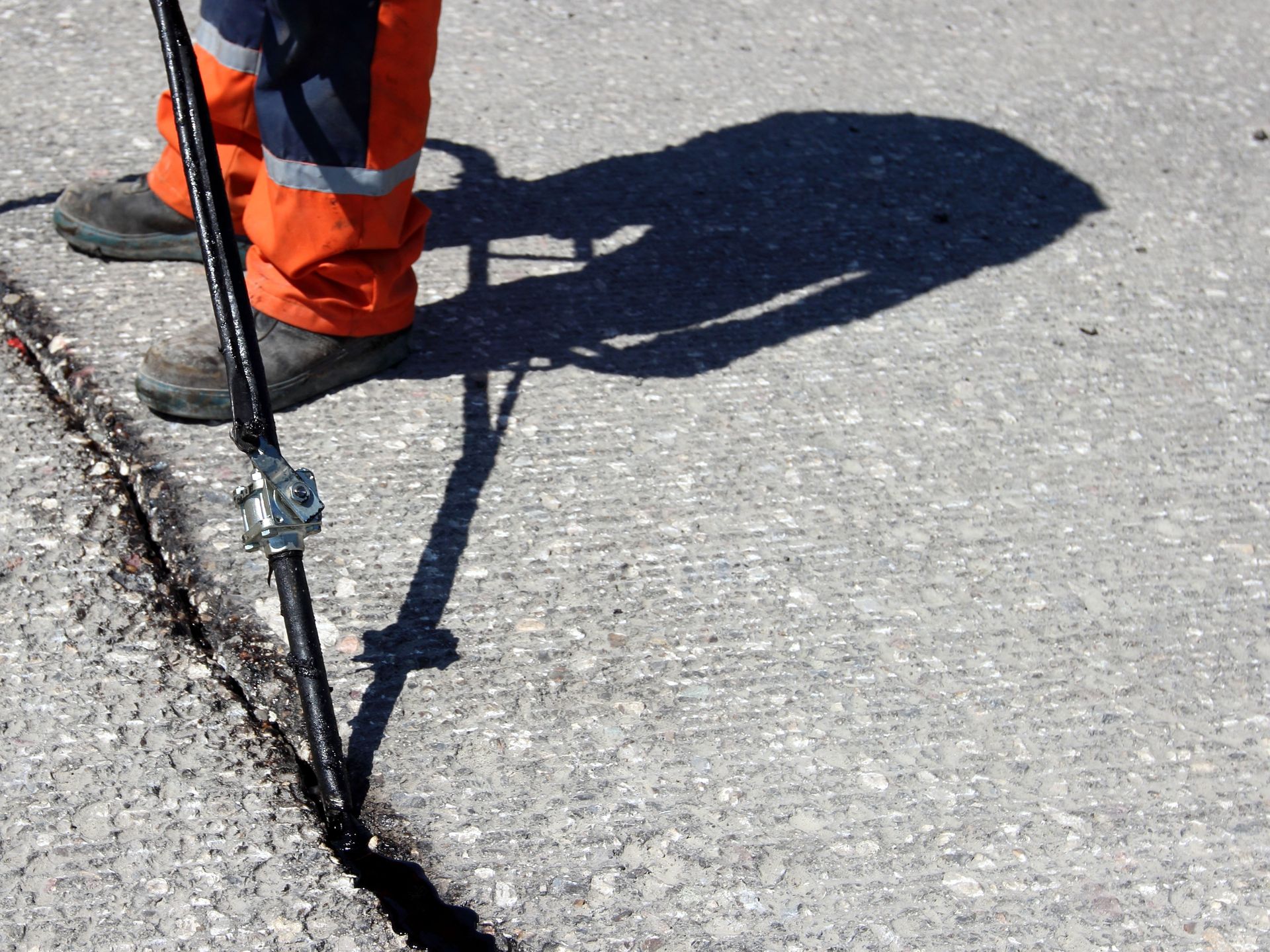
Small stress lines and hairline cracks are early warning signs of natural surface wear, but left unaddressed, they rapidly develop into deep structural failures and potholes. Water is pavement’s greatest enemy; once moisture enters a crack, it seeps down into the compacted aggregate subbase. During colder months, this trapped water goes through freeze-thaw cycles, expanding as it turns to ice and forcing the surrounding material apart. According to This Old House, it's important to inspect for cracks or damage at least twice a year after paving to catch small flaws before they spiral out of control. The best times to conduct these inspections are early spring—right after the final winter thaw—and mid-autumn, before freezing temperatures return. Look closely for hairline fractures, crumbling edges, or soft spots where water tends to pool. Catching these issues early allows you to fill minor cracks with hot-pour or cold-pour rubberized joint sealants before structural degradation spreads. Routine checks help property owners determine when to handle quick surface touch-ups themselves versus calling local paving companies to perform major structural repairs and asphalt patching.
Sealcoat Surfaces at Proper Intervals
Sealcoating acts as an essential defensive barrier for your paved surfaces, working much like sunscreen and waterproof coating combined. Raw asphalt is naturally vulnerable to ultraviolet (UV) radiation from the sun, which oxidizes the bitumen binder, turning rich black pavement into a brittle, faded gray. Sealcoat seals off the surface pores, blocking UV rays, water intrusion, automotive fluids, and winter deicing chemicals. For new installations, timing is critical: fresh asphalt needs time to cure and off-gas its natural oils, so applying a sealcoat too soon can ruin the finish. As a general standard, our expert team recommends that you apply your first sealcoat six to 12 months after new construction, and reapply every two to three years thereafter depending on foot or vehicle traffic density and climate severity. Applying sealcoat too frequently can cause product buildup, leading to cracking or flaking, while waiting too long leaves the binder exposed to harsh weather.
Manage Water Drainage Around Pavement
Even the toughest pavement will quickly deteriorate if the ground beneath it becomes waterlogged. A solid pavement structure relies entirely on a compacted, dry subbase to support weight without shifting. When standing water collects along pavement edges or pools in low spots, it gradually saturates the underlying soil, causing subbase erosion, soft ground, and eventual pavement sagging or collapse. Effective water management begins with smart landscaping and roof drainage systems. Check that downspouts, gutters, and surface drains direct rainwater away from paved areas rather than dumping water directly onto driveways or walkways. Ensure the surrounding lawn or soil slopes gently away from the pavement edge to encourage natural runoff. Furthermore, keep channel drains and catch basins completely free of leaves and sediment so water flows away smoothly during heavy downpours. Experienced paving companies design surfaces with deliberate slopes during construction, but property owners must keep drains clear and preserve surrounding grading to maintain proper long-term drainage.
Limit Heavy Equipment and Overloading
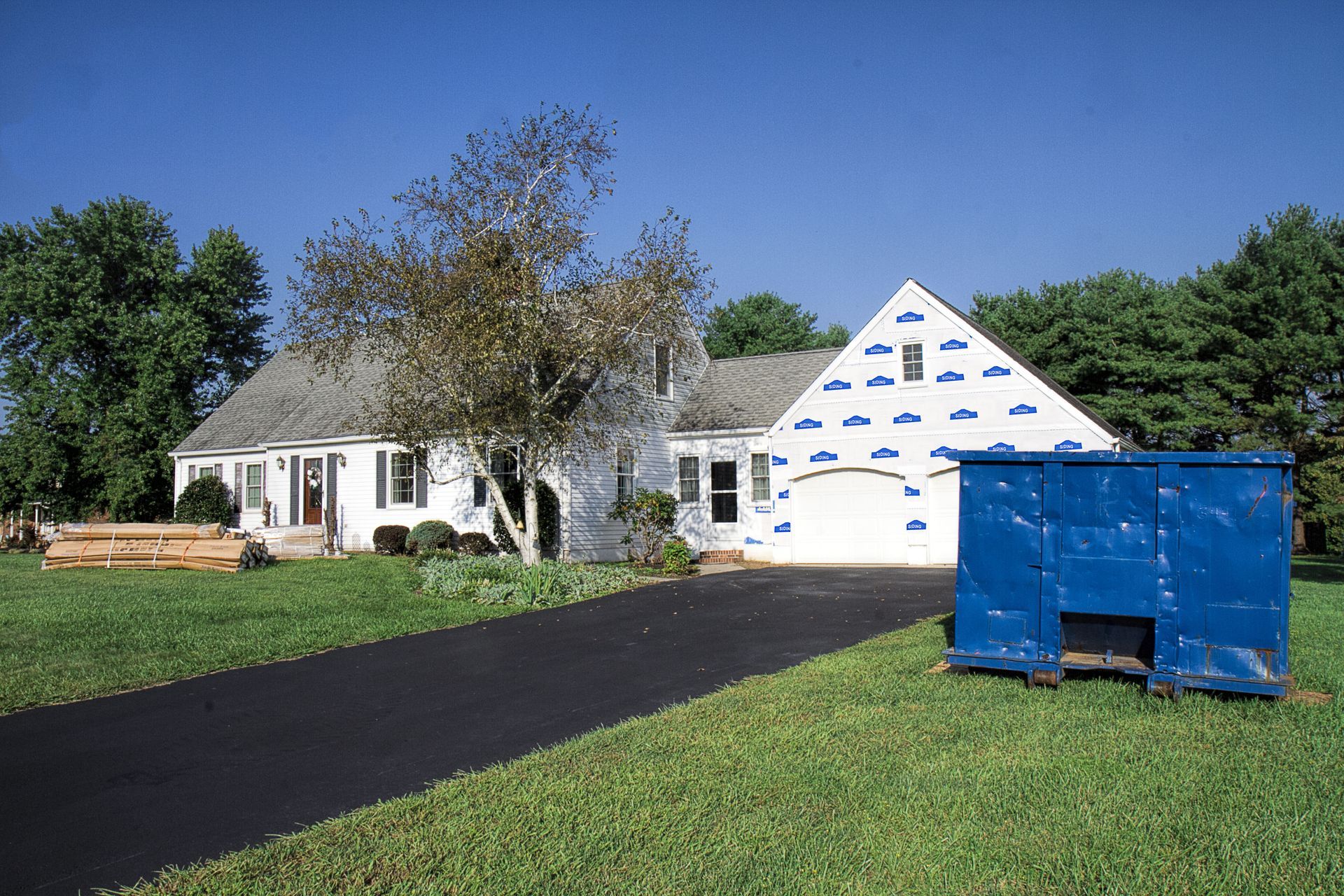
Every paved surface is engineered to handle specific load thresholds based on its thickness, subbase design, and material density. Residential driveways, for example, are typically built to sustain standard passenger cars, SUVs, and light pickup trucks. Placing excessive weight on these surfaces—such as parking large commercial delivery trucks, heavy motorhomes, fully loaded dump trucks, or heavy construction machinery—exerts far more pounds per square inch than residential pavement was designed to bear. Overloading leads to rutting, surface depression, subbase movement, and severe edge cracking, especially during hot summer days when asphalt naturally softens under intense sunlight. If major home renovations or landscaping projects require heavy vehicles, request that contractors park equipment on the street rather than on your driveway. Additionally, avoid driving or parking directly on the unreinforced outer edges of your pavement, as edges are structurally the weakest points and easily break under heavy weight. Remind contractors and guests that commercial paving companies design residential drives for standard passenger vehicles rather than commercial machinery.
Adapt Care Habits to Changing Seasons
Pavement care is a year-round commitment that requires different strategies as temperatures change. In summer, extreme heat expands asphalt, making it susceptible to scuffing from sharp power-steering turns made while vehicles are stationary; try to keep vehicles rolling slightly while turning the wheel on hot days. Winter, however, presents the most destructive conditions due to snow clearance and chemical treatments. Avoid using sharp metal snowplow blades, metal shovels, or snowblowers set too low, as they can gouge and scratch the protective top sealcoat. Instead, choose shovels with rubber or heavy-duty plastic edges. When selecting deicing agents, avoid traditional rock salt (sodium chloride) or ammonium nitrate, which accelerate moisture absorption and degrade concrete finishes; opt instead for safer alternatives like calcium chloride or potassium chloride, or simply spread clean sand for traction. Asking professional paving companies for regional winterization advice can save thousands in spring repair costs by preventing chemical damage and mechanical gouging during ice control.
Preserving paved surfaces requires a balanced combination of routine cleaning, timely inspections, proactive sealcoating, effective drainage management, weight awareness, and seasonal protection. Taking these simple steps prevents minor surface wear from escalating into severe structural damage, protecting both the functionality and visual appeal of your property. By treating your driveways, walkways, and parking areas as valuable long-term assets, you maximize your investment and extend the surface's usable lifespan for decades. Partnering with experienced
paving companies for both initial installation and ongoing structural maintenance ensures your surface remains durable, safe, and attractive through every season.
Ready to restore or protect your driveway with expert service? Contact Leone's Landscaping & Construction today to schedule a comprehensive surface inspection and personalized maintenance plan. Let us help you maximize the lifespan and beauty of your pavement for years to come.
Share On: