
Key Reasons a New Asphalt Driveway Is Worth the Investment
Investing in a new asphalt driveway can feel like a major financial commitment, but its value extends beyond creating a place to park. A properly installed surface can improve access, support safer movement, and give the property a cleaner appearance. Asphalt also offers a practical balance of durability, installation speed, maintenance needs, and repairability. Those qualities make it a strong option for replacing a badly deteriorated driveway or completing a new property. Because each project depends on site conditions, drainage, climate, and usage, understanding these advantages can help homeowners decide whether asphalt fits their long-term priorities.
1. Durable Performance Through Changing Conditions
Driveways must withstand vehicle weight, temperature changes, rainfall, sunlight, and routine use. Asphalt's flexibility allows it to respond to minor expansion, contraction, and ground movement more effectively than a highly rigid surface. This can reduce vulnerability to certain cracks when the driveway has a stable base and adequate drainage. Proper design remains essential because standing water, weak subgrade material, and poor installation can shorten the life of any pavement. When those factors are addressed, asphalt can perform reliably through seasonal changes.
Longevity also depends on consistent care. Keeping the surface clean, addressing cracks promptly, and applying sealcoating when appropriate can limit water intrusion and slow deterioration. These tasks are manageable compared with replacing large portions of a neglected driveway. Maintenance also creates opportunities to identify drainage problems, edge damage, or depressions before they spread. No driveway is maintenance-free, but asphalt's care requirements are relatively straightforward. A planned schedule can preserve the surface's appearance and function while helping homeowners obtain more value from the installation.
2. Practical Cost and Installation Advantages
Asphalt is often more affordable to install than pavers or some concrete driveway designs. This advantage can be especially meaningful for long driveways or properties requiring a substantial paved area. The final price will still reflect excavation, grading, base preparation, drainage work, asphalt thickness, accessibility, and local material costs. Focusing only on the surface price can therefore be misleading. A sound estimate should cover the complete installation, including work below the pavement. Proper preparation may increase the initial cost, but it helps protect the driveway from premature settlement and failure.
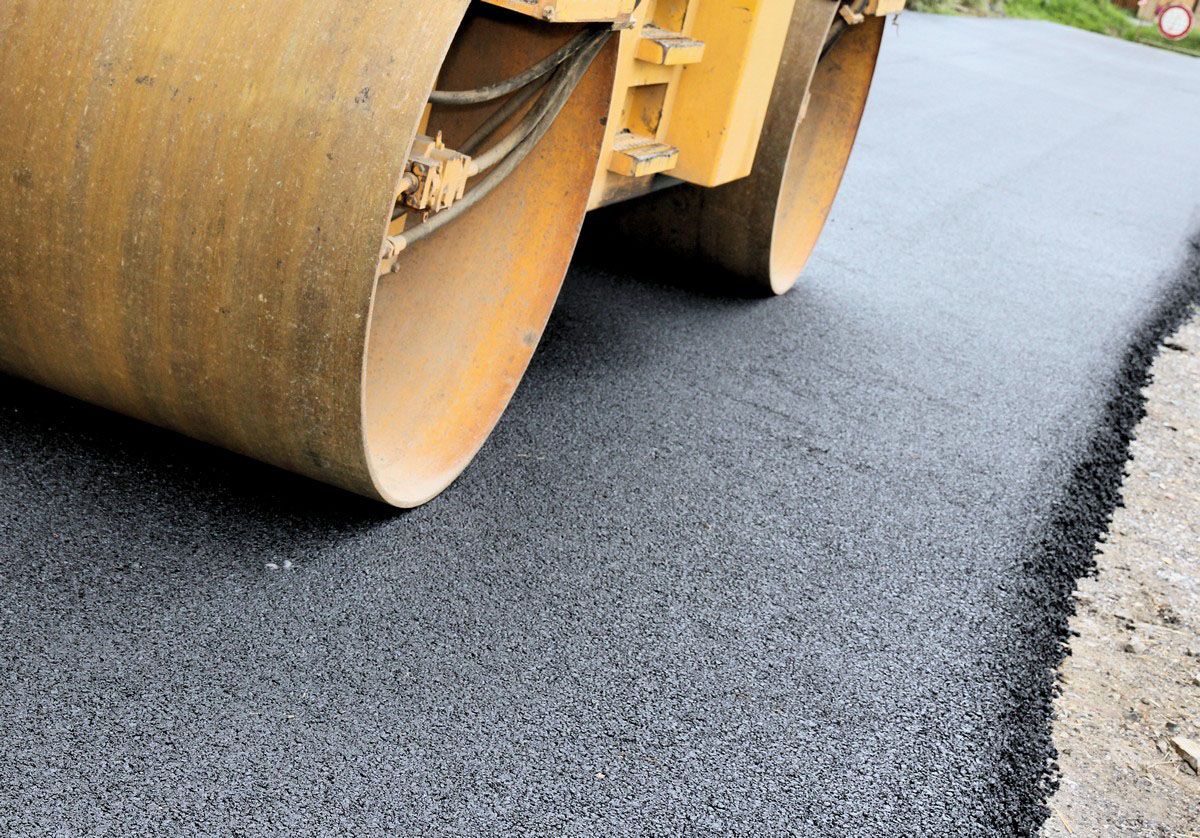
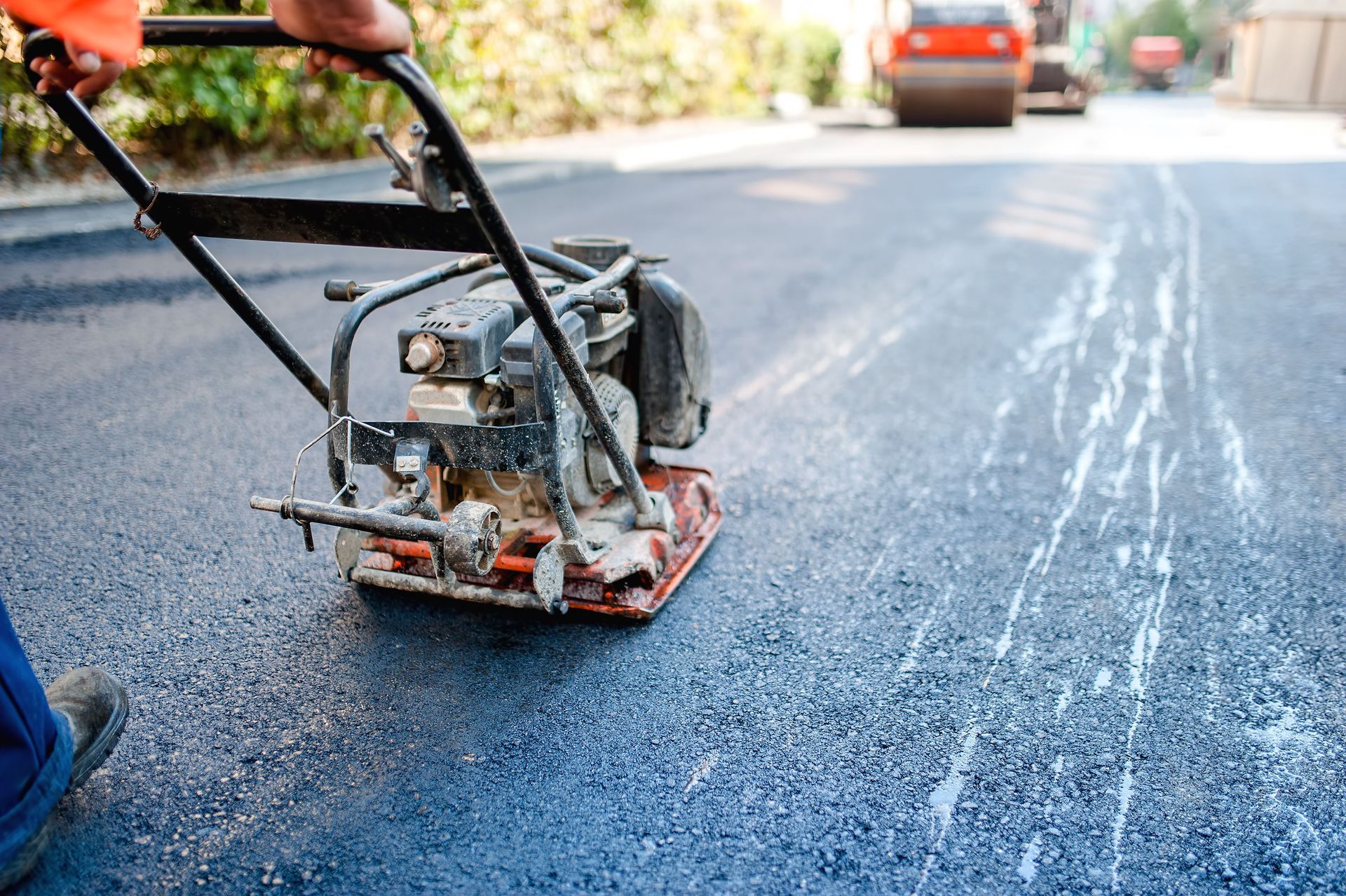
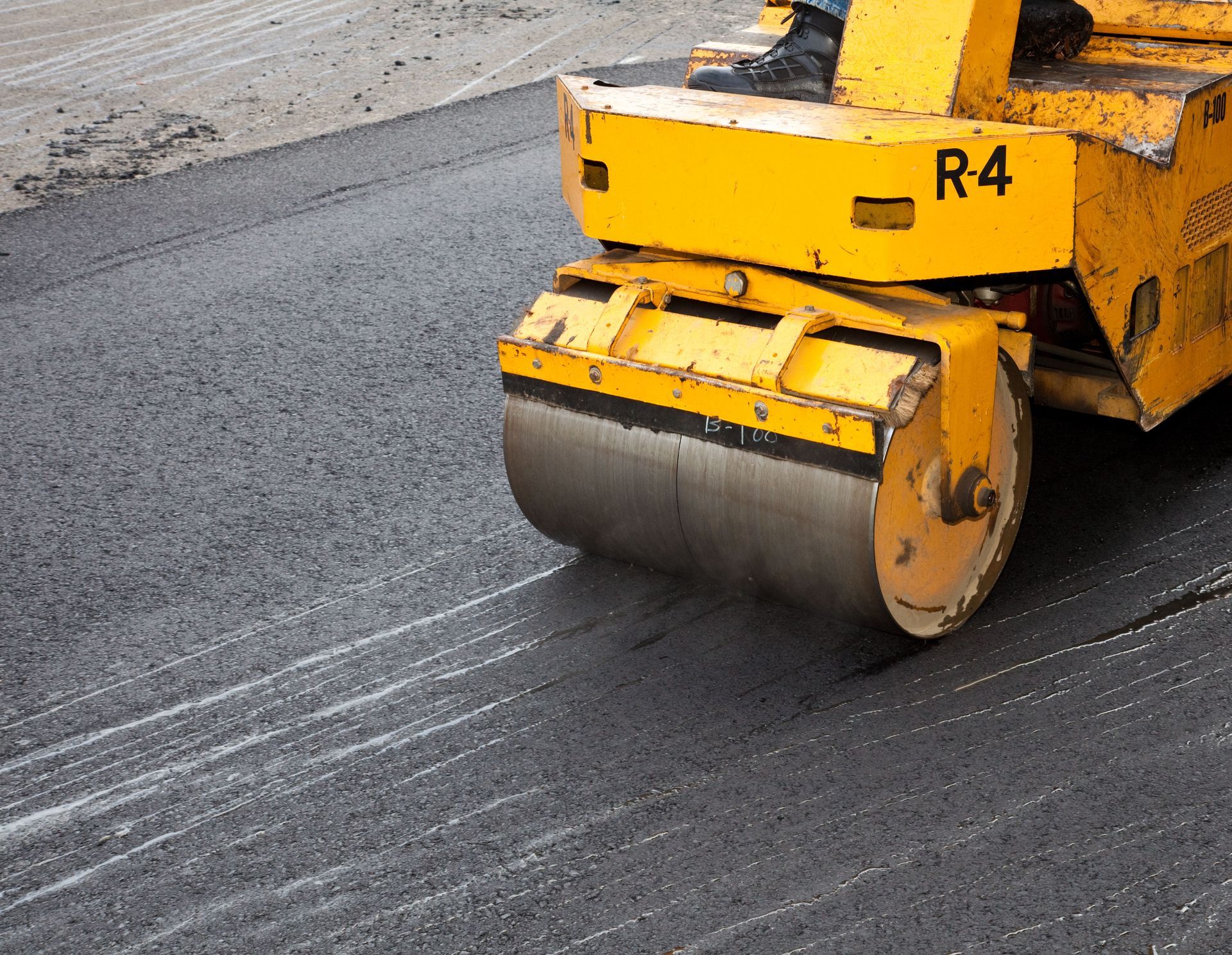
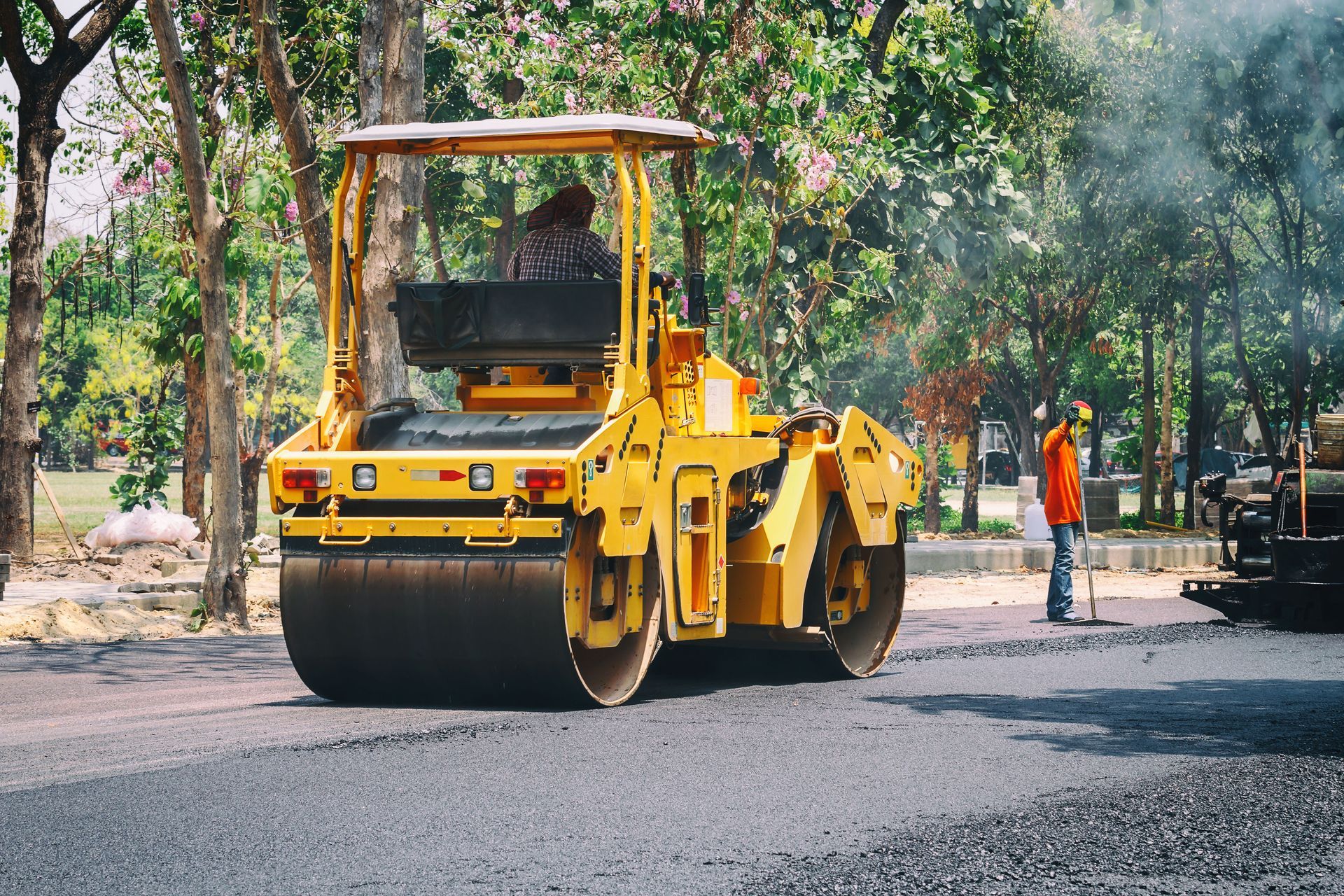
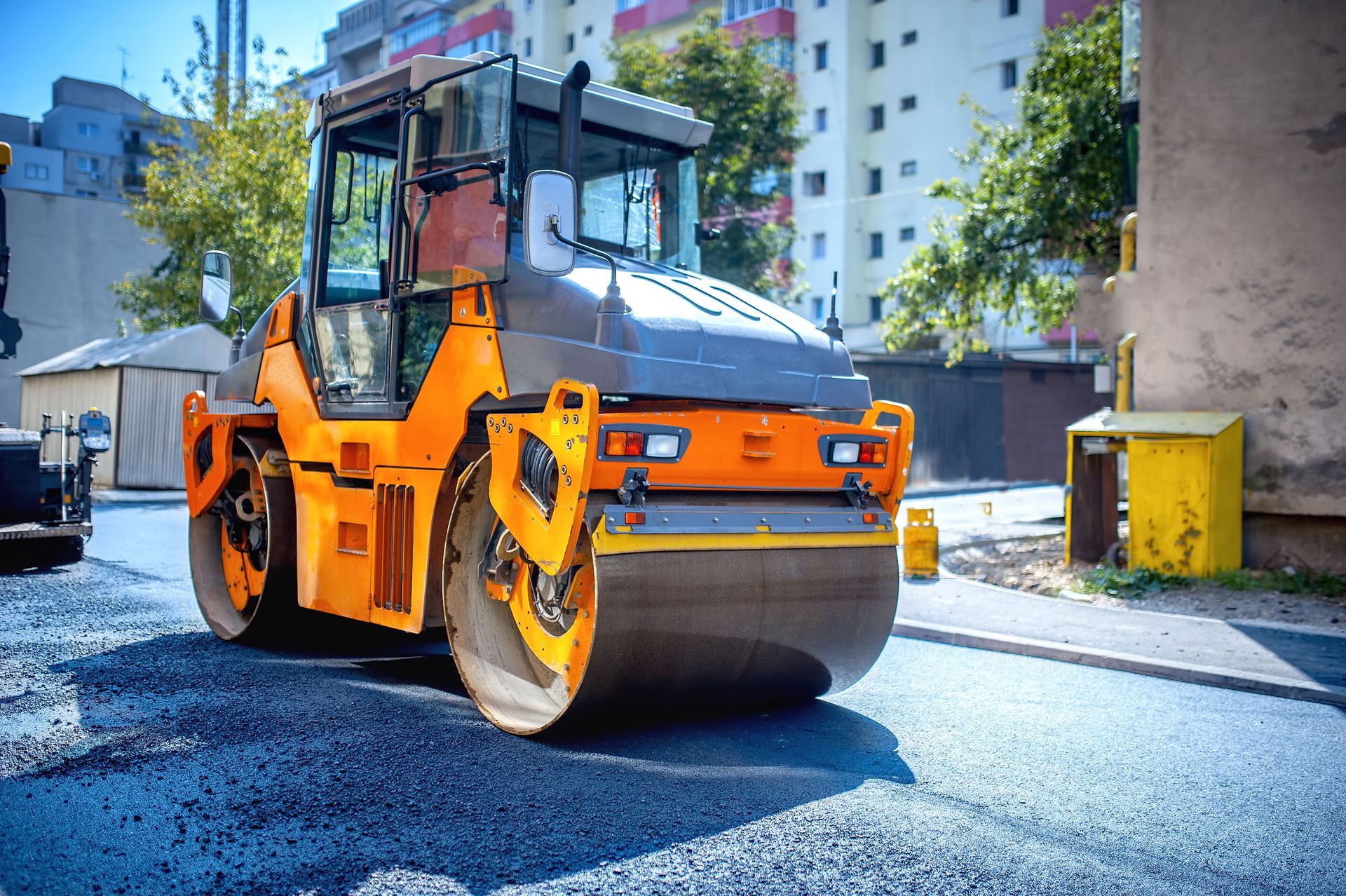
The installation process is also relatively efficient. Once excavation, grading, and base preparation are complete, asphalt can typically be placed and compacted without the extended schedule associated with certain alternatives. Access times vary, so homeowners should follow the installer's guidance before parking on the new surface. Even so, a shorter project can reduce interruptions to parking, deliveries, and household routines. For homeowners preparing to move, host an event, or list a house, that faster turnaround can be helpful.
3. Repairability and Long-Term Upkeep
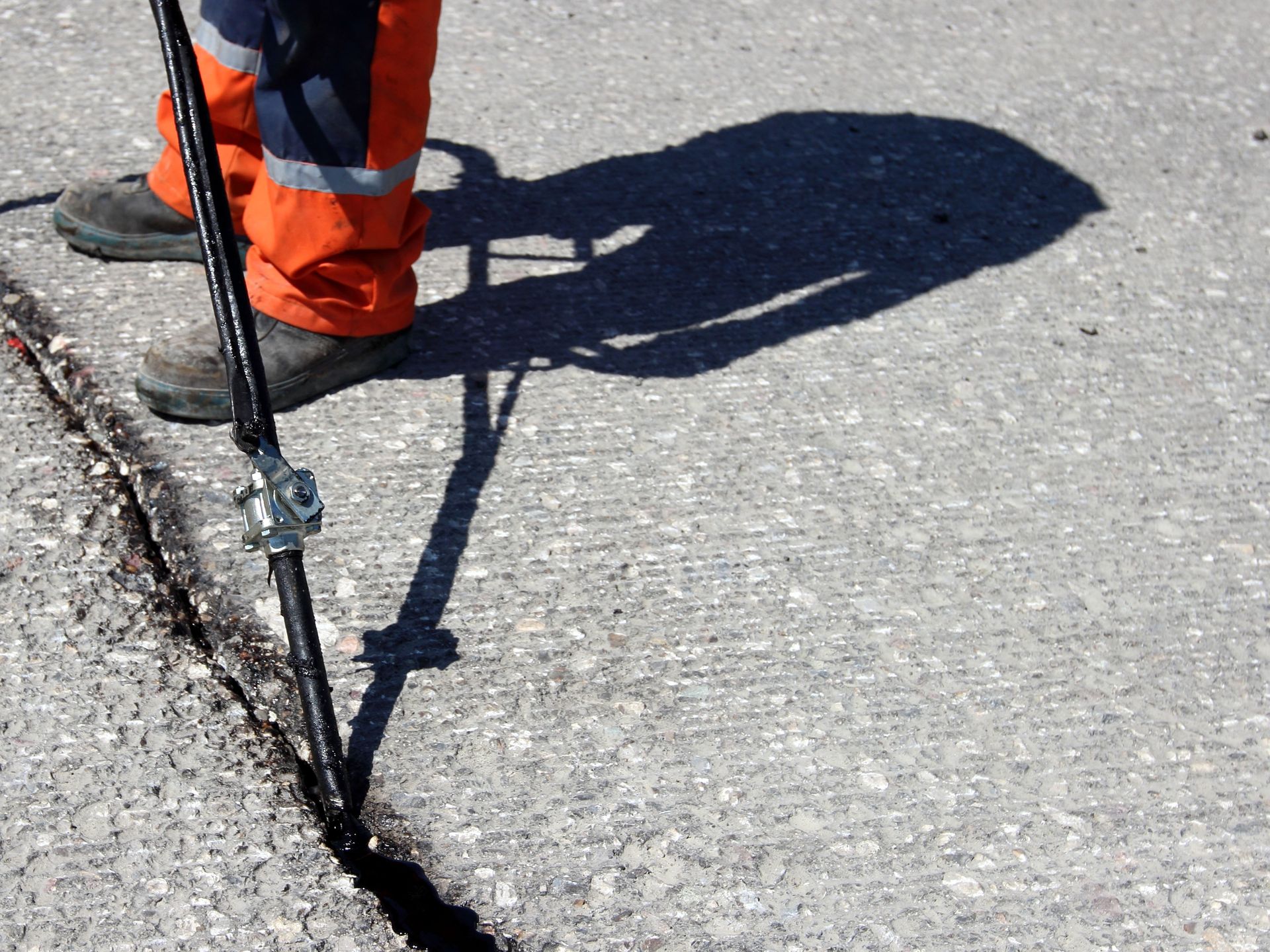
Even a well-built driveway can eventually develop cracks, worn areas, or isolated damage. Asphalt offers several repair options based on the extent of the problem. Small cracks may be filled, localized failures may be patched, and a structurally sound driveway with widespread surface wear may qualify for resurfacing. These options can help homeowners respond proportionately instead of replacing the entire driveway whenever damage appears. The correct repair depends on the cause, however. Covering a failed base or unresolved drainage issue may conceal the symptom without correcting the underlying problem.
Timely attention matters because openings in the surface can allow water to reach lower pavement layers. As temperatures change, moisture and weakened base materials may contribute to expanding cracks, potholes, or settlement. Periodic inspections can identify concerns while repairs remain limited. Edges also deserve attention because unsupported pavement may crumble when vehicles repeatedly drive over it. By combining prompt repairs with suitable maintenance, homeowners can preserve a smoother driving surface and reduce the likelihood that a small defect becomes a larger, more disruptive project.
4. Stronger Curb Appeal and Property Presentation
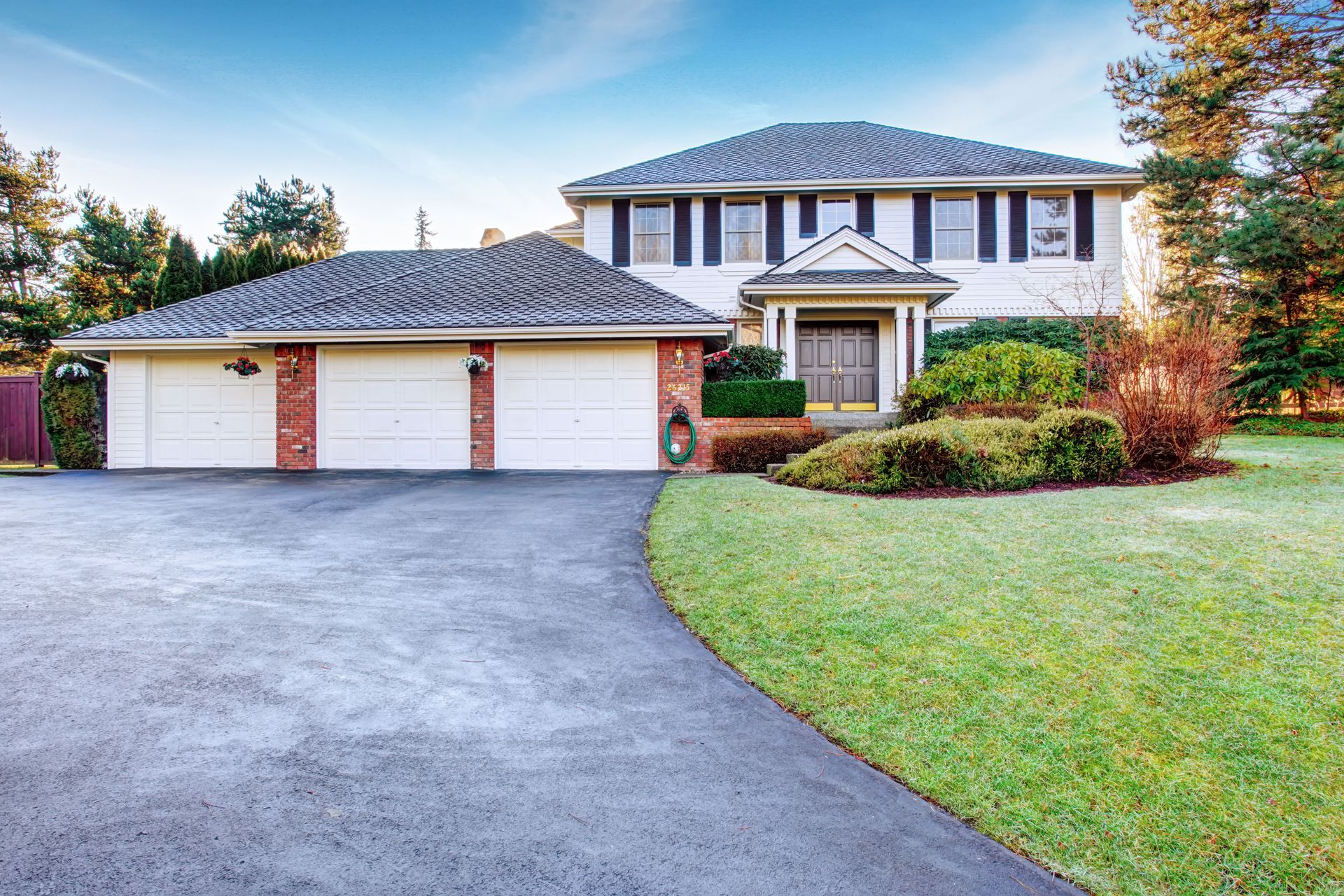
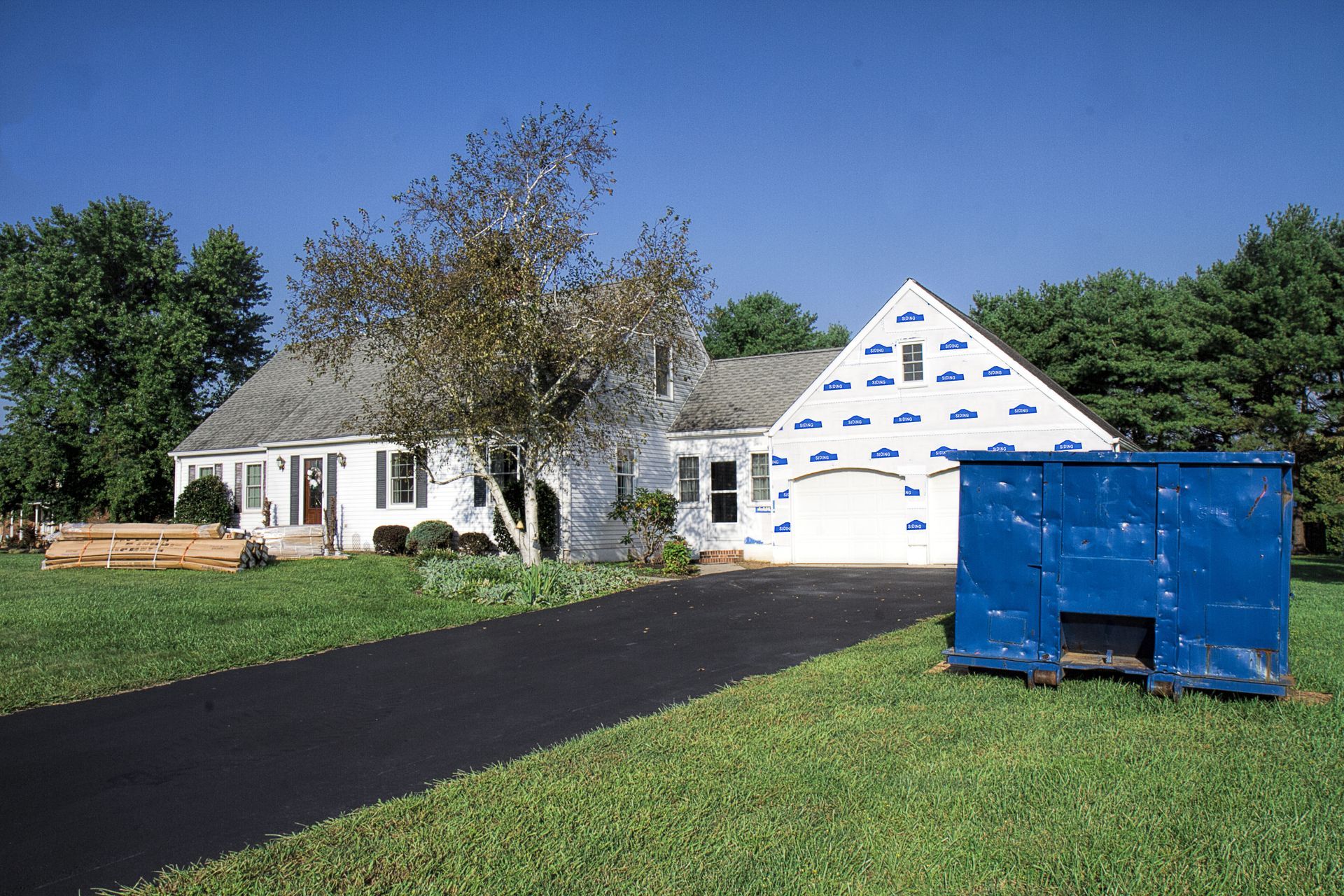
A driveway occupies a prominent part of many front yards, so its condition influences the property's appearance. Fresh asphalt creates a dark, consistent surface that can complement traditional and contemporary home designs. It can also provide a defined connection between the street, garage, walkways, and other exterior features. Replacing a cracked, uneven, or heavily patched driveway may make the entrance look more orderly and maintained. It can strengthen a visitor's first impression without changing the home's architecture.
Presentation may also affect how prospective buyers perceive a property. According to Fast Expert, a new driveway can add as much as $10,000 to a home's perceived value. The actual effect will vary based on the market, prior condition, project quality, and buyer priorities, so this figure is not a guaranteed return. Nevertheless, a finished driveway can eliminate an obvious maintenance concern and help the exterior feel move-in ready. Coordinating borders, transitions, or adjacent landscaping may also give the installation a more intentional appearance while keeping the surface practical.
5. Everyday Safety and Accessibility Benefits
A smooth, properly graded driveway can improve movement for drivers and pedestrians. Asphalt provides a textured surface that offers useful tire traction, including during wet conditions. Removing potholes, loose material, abrupt height changes, and severe cracking can also reduce common tripping and vehicle hazards. Good grading directs water away from vulnerable areas instead of allowing puddles to collect and freeze. These benefits depend on installation quality and maintenance; asphalt cannot prevent every slip or skid. Homeowners should still clear snow, manage ice, maintain lighting, and repair defects as conditions require.
The dark surface can absorb sunlight and may help light snow or thin ice melt faster under suitable conditions. This does not eliminate winter maintenance, particularly during prolonged cold or heavy snowfall, but it can support seasonal access. Asphalt's color can also create strong contrast with light-colored curbs, markings, or driveway edges. Strategic lighting and visible boundaries are especially useful on long, curved, or shared driveways. Together, a uniform surface, clear route, and effective drainage can make daily arrivals and departures more predictable for household members and guests.
6. Environmental Options and Material Reuse
Asphalt removed from an old driveway can often be reclaimed and incorporated into new paving materials. Reuse reduces pavement sent to disposal sites and decreases demand for some virgin resources. The amount of recycled material in a mix varies by supplier, project specifications, and local practices, so interested homeowners should discuss available products with their contractor. Recyclability does not erase every environmental effect of paving, but it gives asphalt a material-recovery advantage. Choosing an appropriate design and maintaining it for a long service life can further reduce unnecessary replacement.
Some projects may support stormwater goals through porous or permeable asphalt systems. Unlike conventional pavement, these systems let water pass through the surface into a prepared stone reservoir below. When soil conditions, maintenance capacity, and local requirements support the design, permeability can reduce runoff and encourage infiltration. It is not suitable for every property, and performance depends on specialized installation and keeping the surface from becoming clogged. Homeowners should have drainage needs evaluated before choosing among conventional asphalt, permeable pavement, and other runoff-management measures.
A new asphalt driveway can be worthwhile because it combines durable performance, efficient installation, practical repairs, and a clean appearance. It may also improve access, support safer movement, and strengthen the property's presentation. The greatest value comes from more than the asphalt itself: appropriate excavation, a stable base, effective drainage, correct compaction, and timely maintenance all contribute to the result. Homeowners can benefit from a driveway that serves as a functional exterior improvement for years. For a new driveway from asphalt paving experts, turn to Leone's Landscaping & Construction!
Share On: