
How a Paving Company Ensures Your Driveway Stands the Test of Time
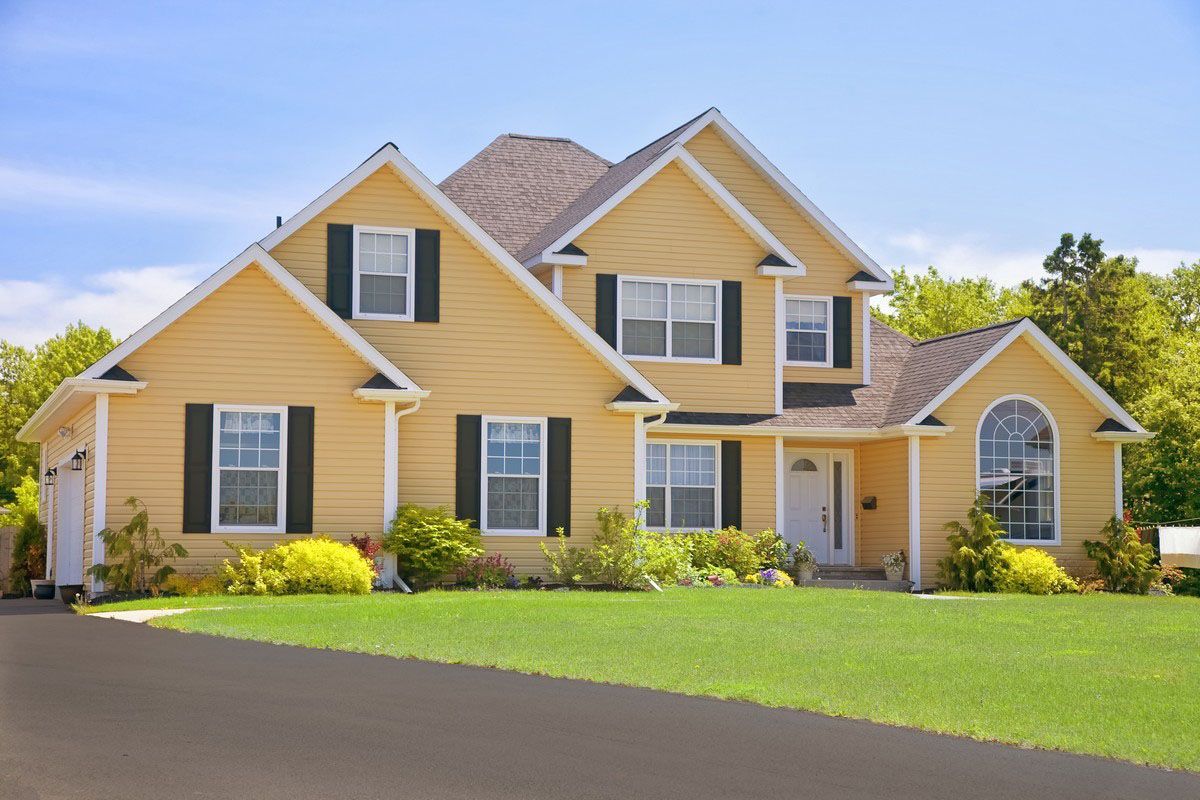
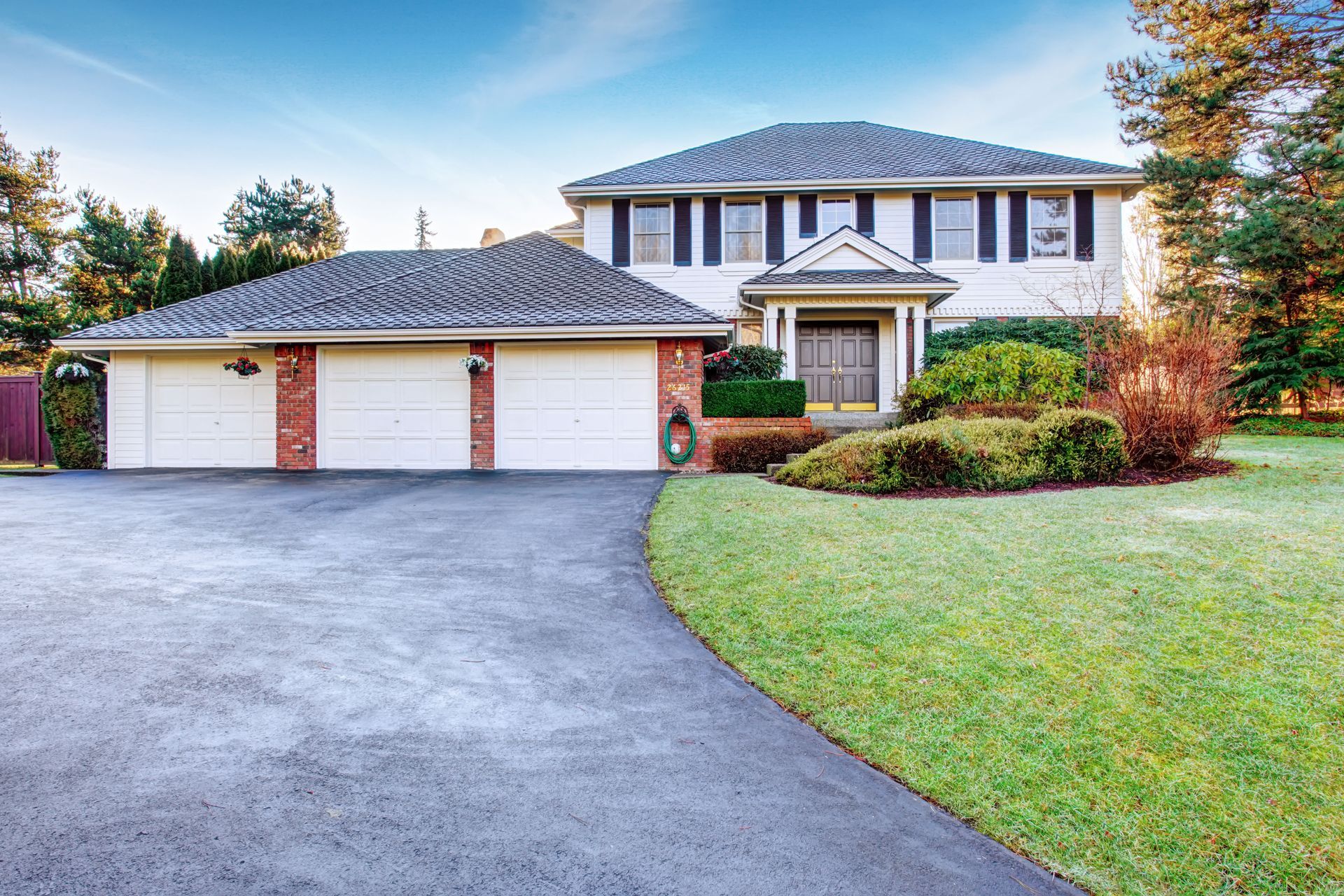
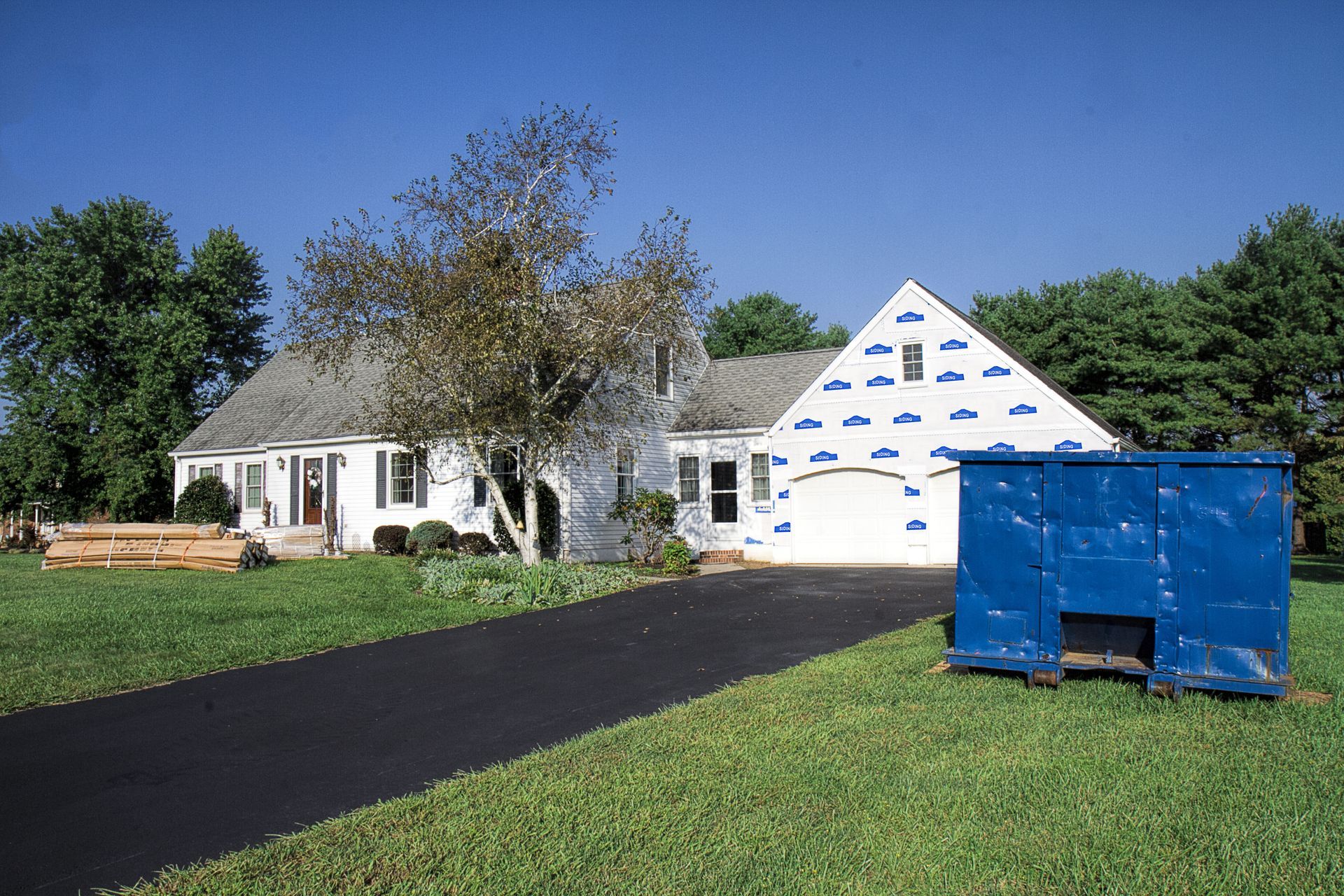
A driveway is more than a place to park vehicles. It serves as an important access point to a property, contributes to curb appeal, and provides a functional surface that homeowners rely on every day. Because driveways are exposed to vehicle traffic, weather conditions, moisture, and changing temperatures, their construction requires careful planning and attention to detail. A properly installed driveway can provide dependable performance while maintaining its appearance for years.
The durability of a paved driveway depends on several factors, including ground preparation, material selection, drainage, installation techniques, and maintenance. Working with an experienced paving company allows property owners to address these considerations before construction begins, helping establish a strong foundation for lasting results.
Understanding the process behind professional driveway paving can help homeowners make informed decisions about their property improvements and recognize the importance of investing in quality workmanship.
Preparing the Ground for Lasting Stability
The foundation beneath a driveway is one of the most important elements of its overall durability. Even high-quality paving materials can develop problems when installed over unstable soil, improperly compacted ground, or an unsuitable base. Proper preparation helps create a stable surface that can support vehicle weight without experiencing excessive movement.
Before construction begins, contractors evaluate the existing ground conditions and determine whether excavation, grading, or additional preparation is necessary. Removing unsuitable materials helps prevent uneven settling and establishes a dependable foundation for the finished pavement.
A paving company understands that the visible surface represents only part of the completed driveway. The underlying layers provide structural support and help distribute vehicle weight across the pavement. Properly preparing and compacting these materials helps reduce the risk of depressions, cracking, and premature deterioration.
Attention to ground preparation can also improve the driveway's overall appearance. A stable foundation helps maintain a consistent surface, creating a smoother transition between the driveway, garage, sidewalk, and surrounding landscape. By addressing foundational concerns before paving begins, contractors can help homeowners avoid unnecessary repairs.
Selecting Materials That Suit the Property
Material selection influences the driveway's appearance, functionality, maintenance requirements, and ability to withstand environmental conditions. Different properties experience varying levels of traffic, moisture exposure, and temperature fluctuations, making it important to select materials that accommodate the specific demands of the site.
Asphalt is a popular residential paving option because it provides a relatively smooth surface, offers flexibility, and can accommodate regular vehicle traffic. Its dark appearance can also create a clean, finished look that complements many property styles. However, the material's performance depends on appropriate installation and ongoing maintenance.
According to Gixnux, asphalt paving can generally remain serviceable for 30 years, highlighting its potential longevity when properly installed and maintained. The actual lifespan of a driveway can vary depending on construction quality, environmental conditions, traffic, and maintenance practices.
An experienced paving company can help homeowners evaluate material options based on their property's requirements. This process involves considering the driveway's intended use, surrounding landscape, maintenance expectations, and budget.
Material choices should also account for the property's specific conditions. Driveways supporting heavier vehicles or experiencing frequent use may require additional structural considerations. Understanding these requirements before construction helps ensure the finished pavement is suitable for its intended purpose.
Establishing Effective Drainage and Grading
Water management plays a significant role in protecting driveway surfaces. When rainwater collects on pavement or penetrates the underlying materials, it can weaken the foundation and contribute to deterioration. Effective drainage planning helps prevent these problems while protecting nearby landscaping and structures.
Surface grading directs water away from the driveway and toward appropriate drainage areas. Contractors evaluate the property's natural slope, existing drainage features, nearby buildings, and surrounding landscape before determining how the finished pavement should be positioned.
Proper drainage also improves the functionality of the driveway. Water accumulation can create slippery conditions, inconvenience homeowners, and contribute to erosion around pavement edges. Addressing these concerns during construction helps create a surface that remains more dependable during changing weather conditions.
A paving company may recommend adjustments to the property's grading or incorporate drainage features when necessary. The appropriate solution depends on the layout of the property and the conditions present before construction. Planning for water movement from the beginning can help prevent costly corrections after the driveway has been installed.
Applying Professional Installation Techniques
The quality of the installation process directly affects the driveway's structural integrity and finished appearance. Professional contractors follow established procedures to ensure paving materials are distributed evenly, properly compacted, and installed under suitable conditions.
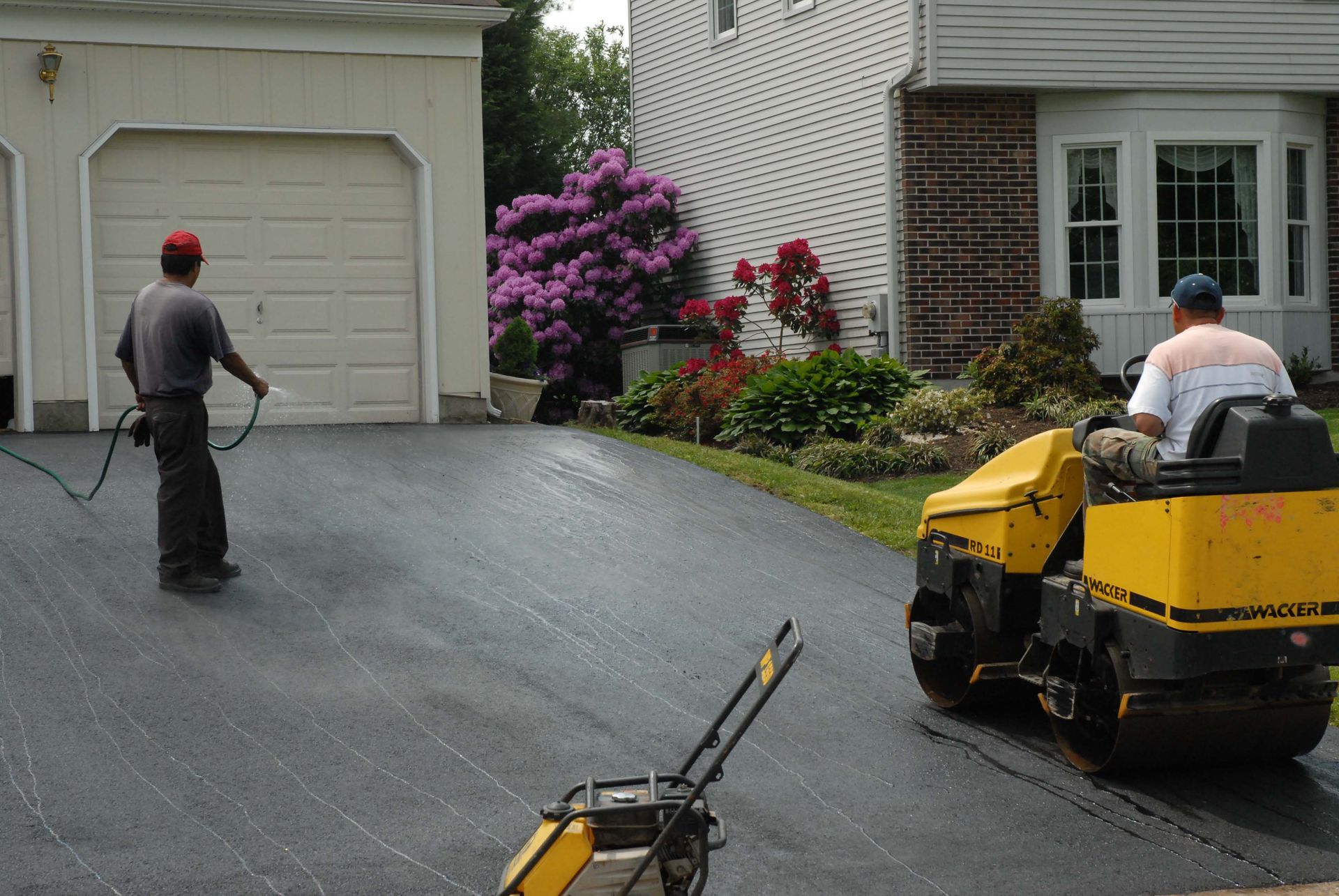
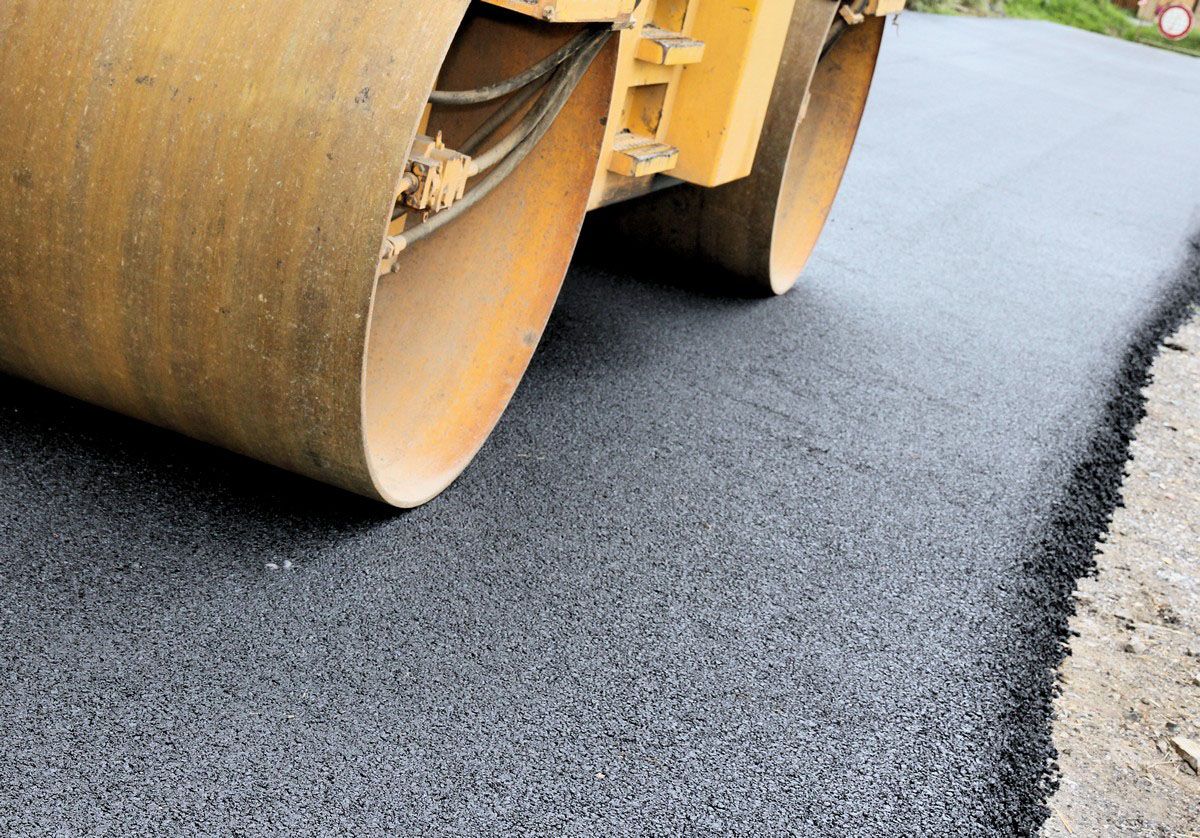
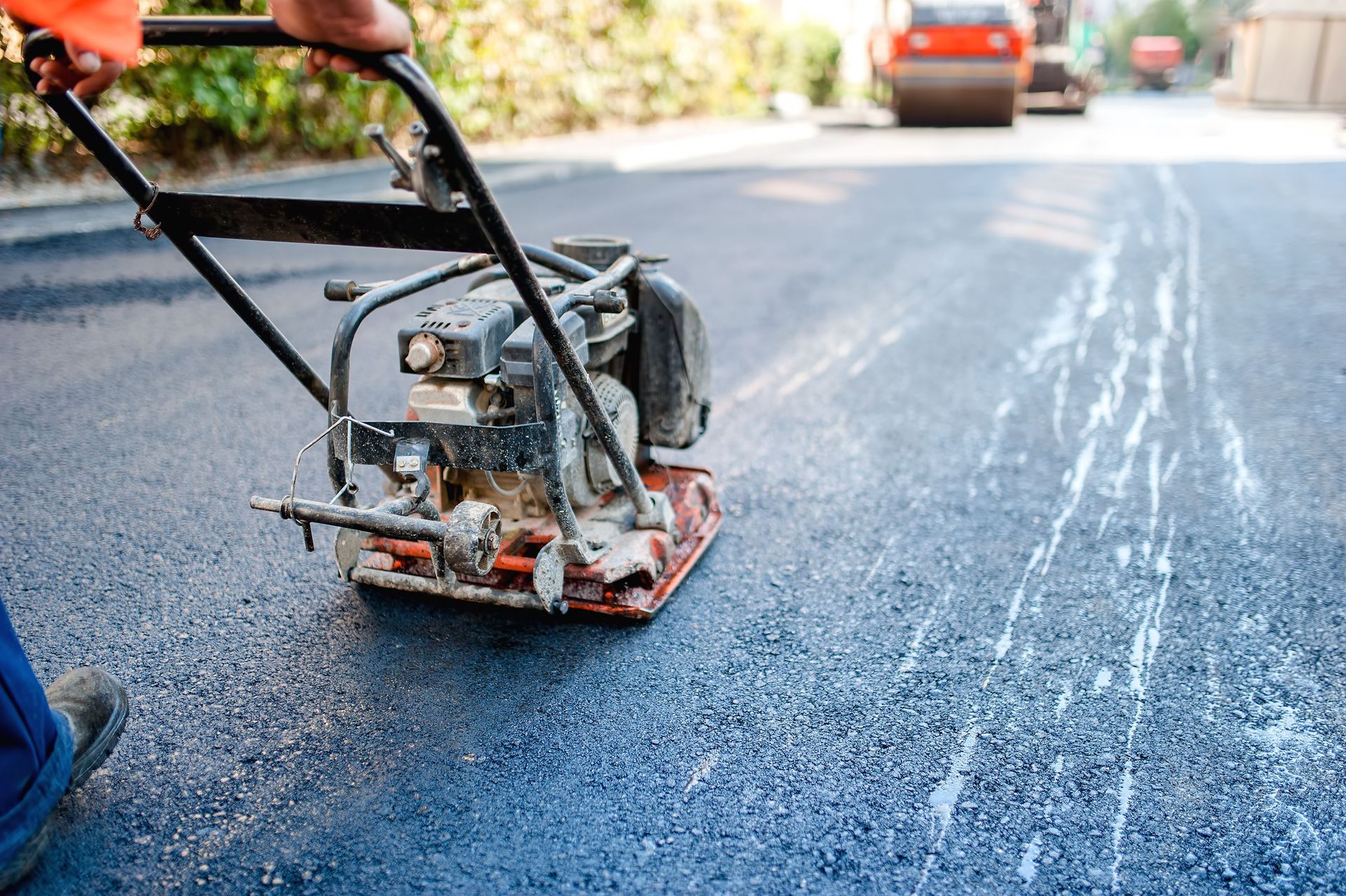
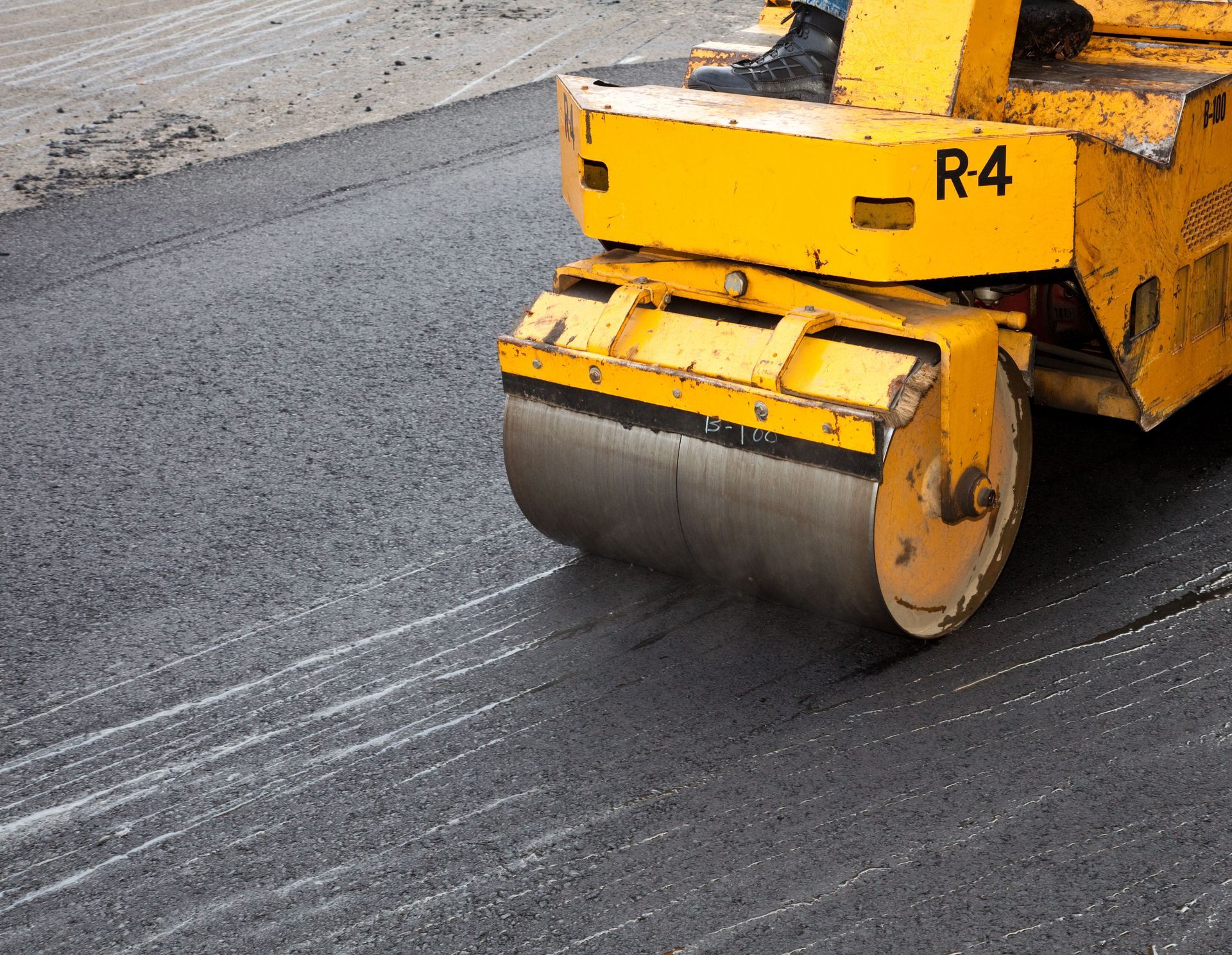
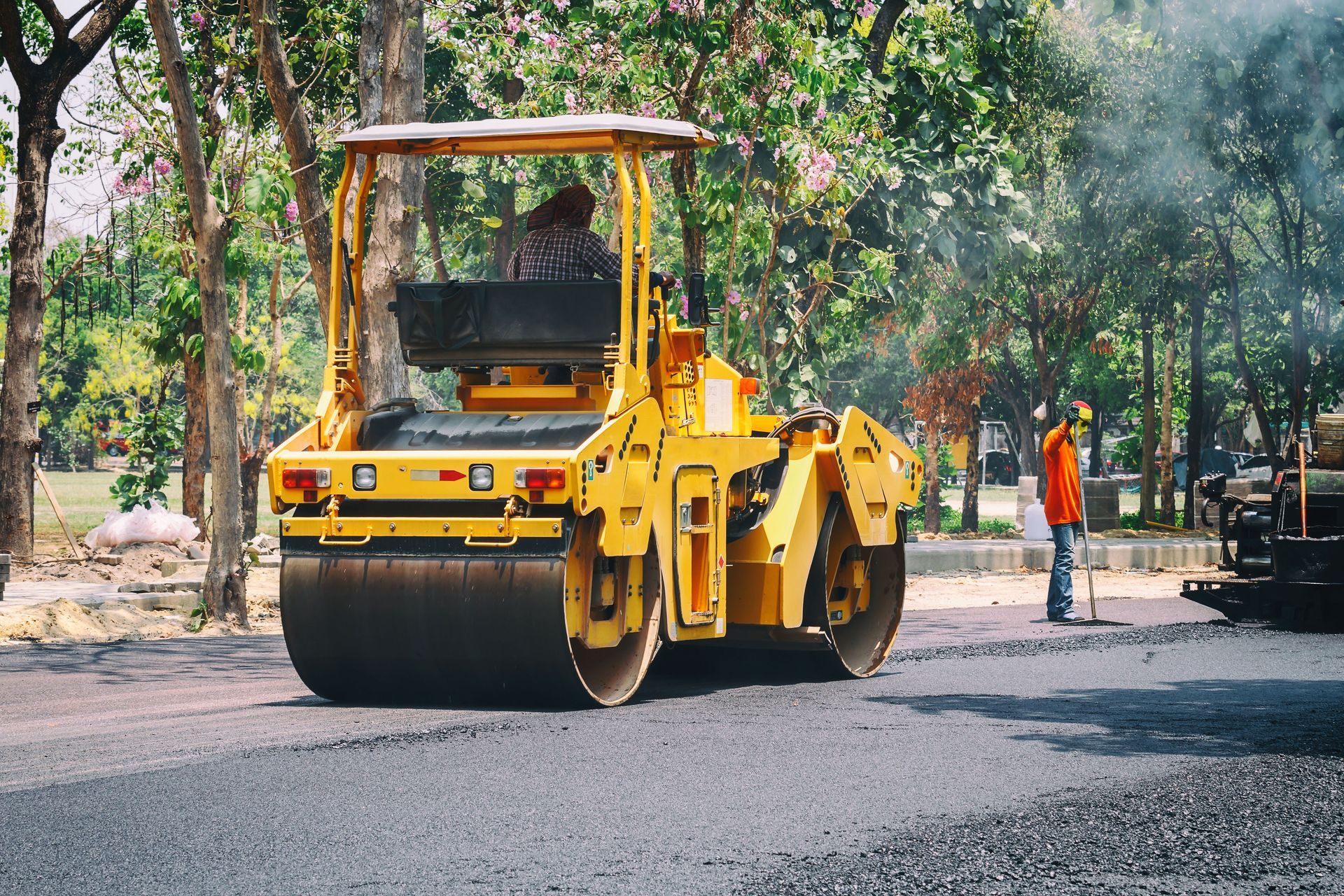
For asphalt driveways, installation requires attention to material temperature, placement, thickness, and compaction. Asphalt must be handled appropriately to achieve the desired density and smoothness. Insufficient compaction can leave the pavement vulnerable to shifting, moisture infiltration, and premature wear.
Experienced contractors understand how weather and site conditions influence the installation process. Temperature, moisture, and surface preparation can affect the materials and the finished result/
Finishing details are equally important. Contractors must consider the driveway's edges, transitions, and connections to surrounding surfaces. These areas can experience additional stress when they lack sufficient support or are improperly constructed. Attention to these details helps create a more cohesive driveway while supporting its long-term performance.
Protecting the Surface Through Regular Maintenance
Although proper construction establishes the foundation for a durable driveway, ongoing maintenance helps preserve its condition. Regular inspections allow homeowners to identify early signs of deterioration before they develop into more extensive problems.
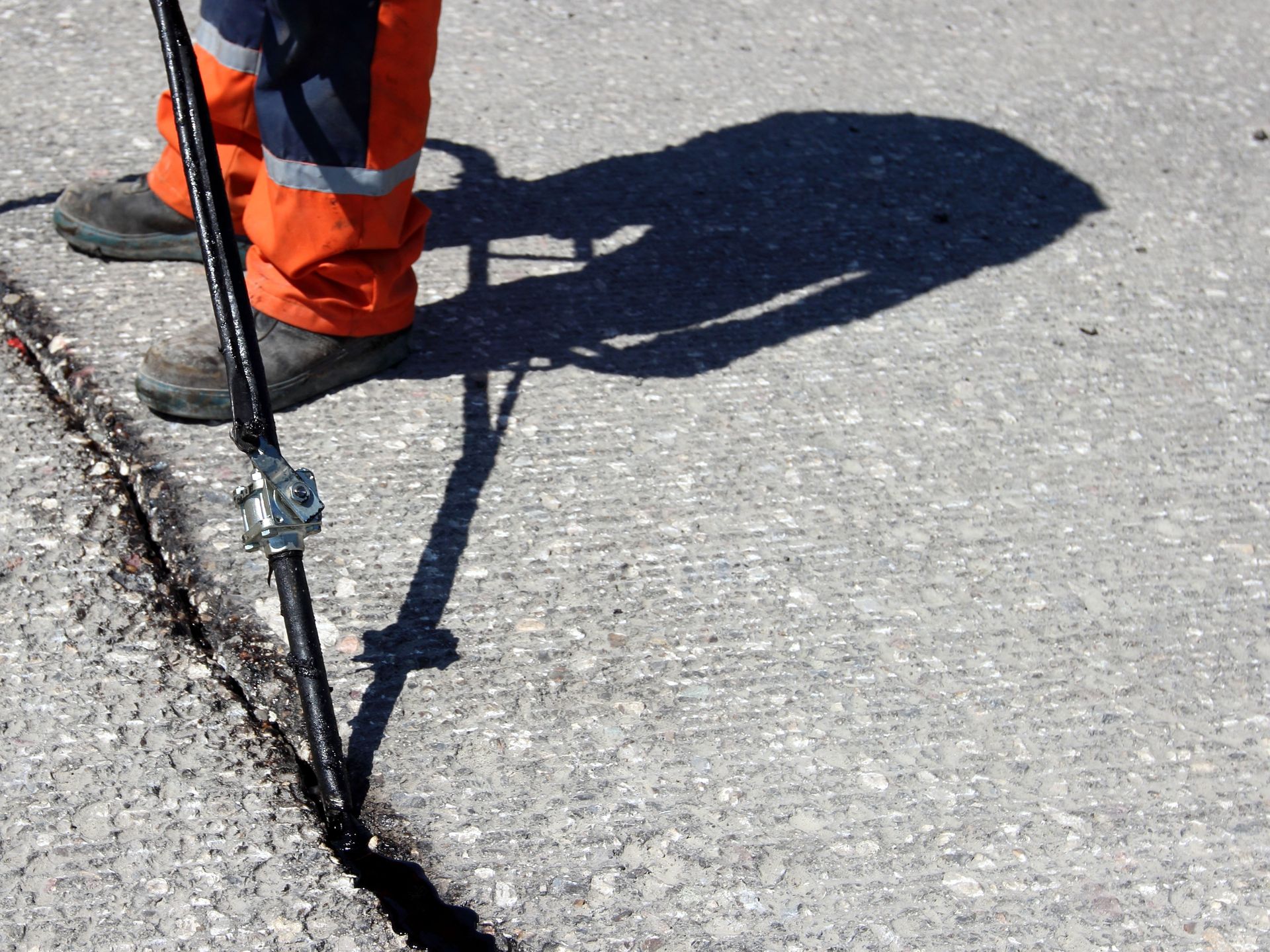
Small cracks can allow water to penetrate the pavement and reach the underlying materials. Addressing these openings promptly helps limit moisture infiltration and reduces the potential for additional damage. Cleaning the surface also helps remove debris, dirt, and substances that may contribute to deterioration when left untreated.
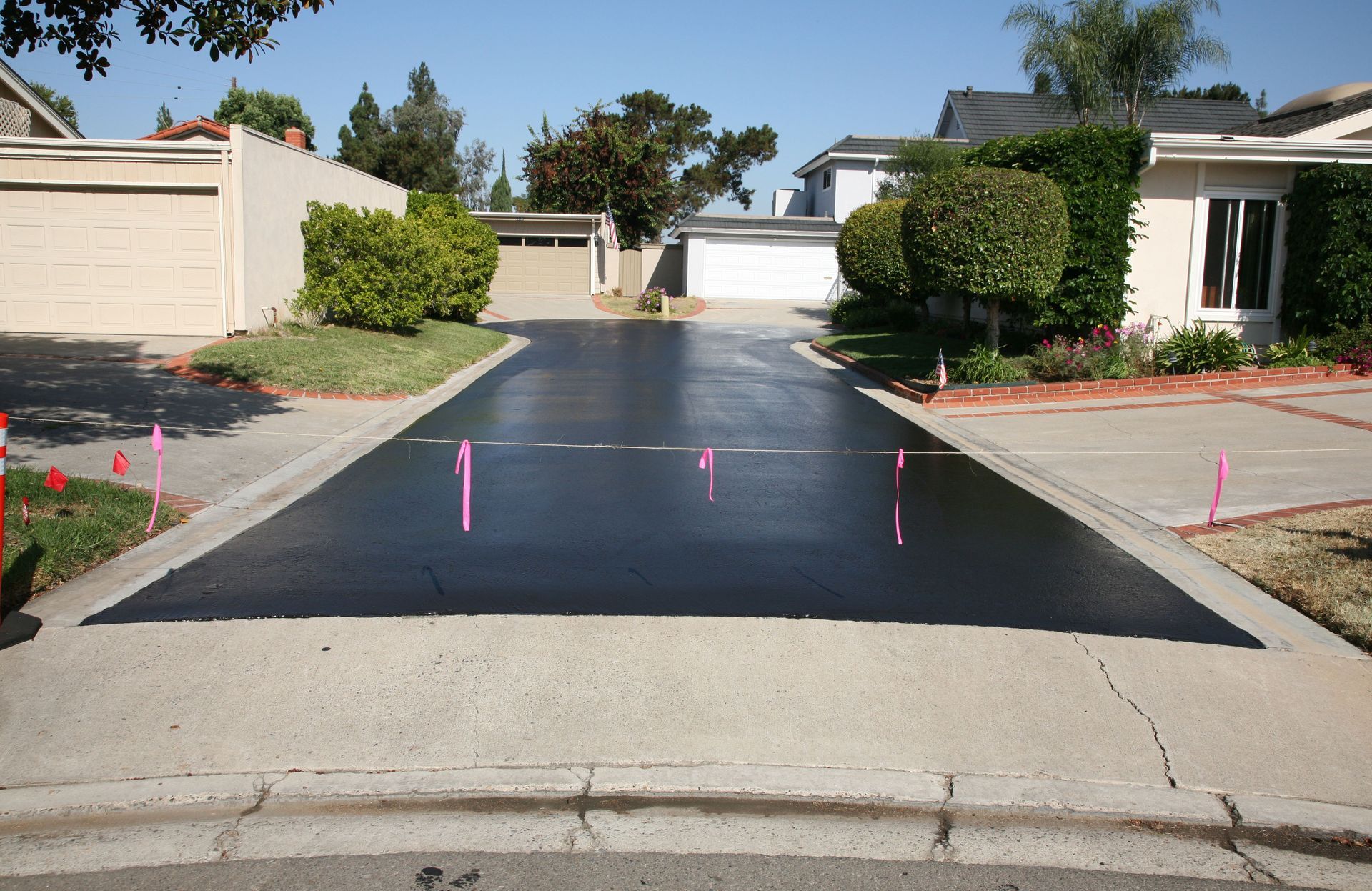
Sealcoating may provide an additional protective layer for asphalt driveways. This treatment helps shield the surface from environmental exposure while improving its appearance. However, sealcoating cannot replace structural repairs or correct underlying drainage problems.
A paving company can recommend maintenance practices based on the driveway's condition, material, and exposure to environmental factors. Professional evaluations help property owners determine when repairs, protective treatments, or other improvements may be appropriate.
Consistent maintenance can also help preserve the driveway's appearance. Keeping the surface clean, addressing damage promptly, and avoiding unnecessary stress from heavy equipment can contribute to a more attractive and functional paved area.
Evaluating Workmanship and Long-Term Performance
The finished appearance of a driveway provides an indication of installation quality, but its long-term performance depends on structural details beneath the surface as well. Property owners should consider how the pavement responds to regular traffic, changing weather, and surrounding ground conditions.
A well-constructed driveway should provide a relatively smooth driving surface, consistent transitions, and effective drainage. Areas that begin to sink, crack excessively, or retain water may indicate underlying concerns that require attention. Identifying these problems early can help prevent more extensive repairs.
Contractor experience and communication also contribute to a successful paving project. Clear explanations of the installation process, material recommendations, and maintenance expectations help homeowners understand how their driveway is constructed and what steps may be necessary to preserve it.
Choosing a
paving company that prioritizes workmanship means evaluating the entire pavement system rather than focusing exclusively on the visible surface.
Evaluating performance over time allows property owners to recognize whether their investment is meeting its intended purpose. A durable driveway should remain functional, provide dependable access, and complement the property's appearance without requiring unnecessary repairs.
Contact Leone's Landscaping & Construction to discuss your driveway paving needs, explore suitable materials, and get started on a project designed to deliver durability, functionality, and lasting curb appeal.
Share On: