
How to Prepare Your Property Before Paving Companies Arrive
A beautifully paved driveway or walkway can completely transform the aesthetic appeal and structural functionality of your property. Whether you are installing a sleek new asphalt surface, laying down elegant interlocking stones, or revitalizing an old concrete path, scheduling the project is only the first step. The true success of the installation depends significantly on what happens before the heavy machinery ever rolls onto your driveway. Property preparation is a critical phase of the improvement process. When property owners take proactive measures to ready their land, they ensure a seamless workflow, prevent accidental damage, and minimize the time required to complete the project. Professional crews work with remarkable efficiency, but their progress can be severely hindered by unexpected obstacles or restricted access points. By dedicating time to prepare your grounds, you establish a cooperative environment that allows the team to deliver the highest quality results.
Choosing to collaborate with professional paving companies represents a substantial financial and emotional investment in your home. To maximize the return on this investment, a clear understanding of site preparation is indispensable. Crews arrive with specialized equipment, massive trucks, and a coordinated plan of action. When the workspace is cluttered or unprepared, valuable time is lost shifting obstacles rather than executing the specialized work. Furthermore, pre-paving preparation protects your existing assets, such as delicate landscaping, buried utilities, and ornamental features. It also mitigates potential liabilities and ensures the safety of both your family and the workers. This comprehensive guide outlines the essential steps necessary to transform your property into an optimal workspace, ensuring that the transition from old ground to pristine pavement is executed flawlessly.
Clear the Primary Workspace
Before any heavy machinery arrives at your home, establishing a completely unobstructed zone is paramount. The footprint required for paving operations extends far beyond the physical boundaries of the driveway or walkway itself. Vehicles need ample room to maneuver, turn, and dump heavy materials without risking contact with your property. Begin by removing all motorized vehicles, including cars, trucks, motorcycles, and recreational trailers, from the immediate vicinity. These items should be parked well away from the work zone, preferably down the street, to give the incoming trucks maximum clearance. Beyond vehicles, everyday household items can become significant hazards when heavy machinery is in motion. Move all patio furniture, sports equipment, children's toys, and bicycles into a secure garage or a distant part of the yard.
In addition to surface clutter, look upward and downward for potential obstructions. Low-hanging tree branches can snag large dump trucks or asphalt spreaders, potentially damaging both your trees and the specialized machinery. If you notice branches extending over the planned work zone, trim them back substantially to provide vertical clearance. On the ground level, remove any decorative rocks, edging materials, or solar accent lights that border the current pavement. Established paving companies utilize heavy rollers and excavators that can easily crush fragile borders or shift loose stones into the workspace, compromising the integrity of the new foundation. A completely cleared perimeter allows the crew to focus entirely on precision grading and paving rather than navigating an obstacle course.
Secure Your Personal Belongings
The vibrations generated by heavy excavation equipment and compaction rollers are profound and can reverberate throughout your entire home. These vibrations are a normal and necessary part of settling the sub-base, but they can cause structural movement in unexpected places. Inside your home, walk through the rooms closest to the construction zone and assess items hanging on the walls or resting on shelves. Valuable artwork, family photographs, decorative plates, and fragile heirlooms should be temporarily taken down and stored flat in a safe location. Vibrations can cause these items to shift or slip from their hooks, leading to irreversible damage. Similarly, ensure that delicate glassware or china inside cabinets is securely positioned so that shelves do not rattle items into one another.
The exterior of your home requires identical vigilance. If you have decorative wind chimes, hanging flower baskets, or wall-mounted mailboxes near the driveway, detach them until the project concludes. Delicate architectural features, such as low-voltage exterior lighting systems, should be carefully uninstalled or covered with protective barriers. Experienced paving companies often recommend that property owners take these internal and external precautions to prevent minor structural tremors from causing accidental damage. If your property utilizes an automated irrigation system, the sprinkler heads adjacent to the work area are highly vulnerable. Mark these components clearly with bright flags or stakes so the workers can avoid driving over them during the initial phases.
Inform Your Nearest Neighbors
A major property improvement project inevitably ripples into the immediate neighborhood, disrupting regular traffic patterns and generating noticeable noise. Maintaining positive relationships with those living around you requires proactive and transparent communication. Well before the scheduled start date, speak with your closest neighbors to inform them of the upcoming project. Share the anticipated timeline, including the start date and the expected duration of the work. This courtesy allows them to plan their own schedules, especially if they have young children who nap, work from home, or rely on specific parking arrangements. Informing them in advance helps manage expectations and fosters a spirit of community cooperation.
During the paving process, large delivery trucks and supply vehicles will frequently occupy portions of the street, potentially blocking narrow roadways or restricting sightlines. Advise your neighbors that parking spaces directly across from or adjacent to your property should remain vacant during work hours to accommodate these massive vehicles. If your neighbors share a property line or a common driveway with you, the coordination must be even more meticulous. Many paving companies appreciate when clients handle neighbor relations beforehand, as it prevents logistics delays on the street. Ensure that neighbor daily routines will not be entirely disrupted and that they have a clear path to exit their properties without encountering heavy machinery.
Protect Nearby Landscape Features
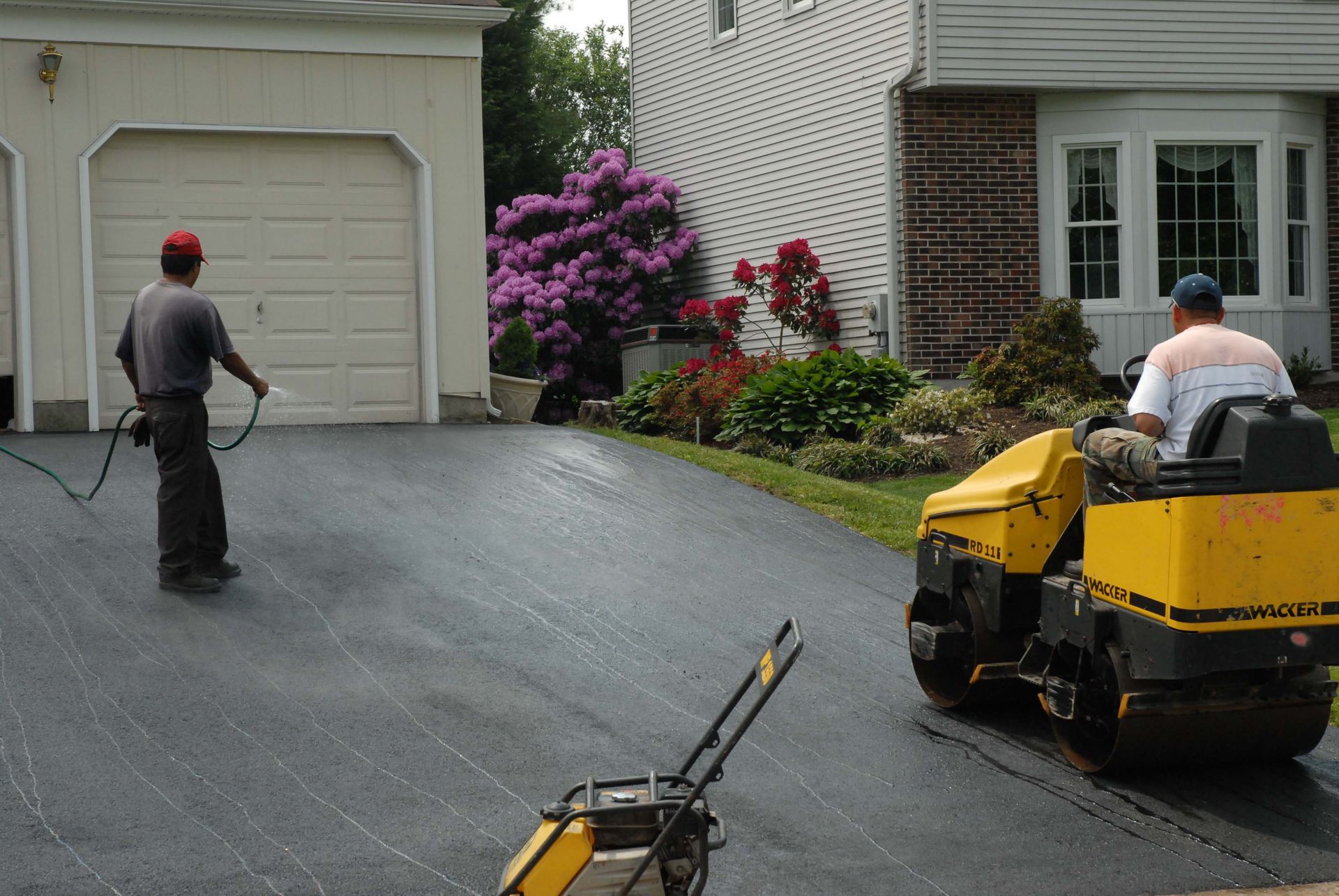
Integrating new hardscaping elements into a property requires a careful balance with your existing flora. Landscaping represents a significant investment, and protecting your green spaces during a construction project is vital. Heavy foot traffic, spilled materials, and equipment exhaust can negatively impact plants, shrubs, and lawns. To safeguard your vegetation, cover delicate flower beds and shrubs with protective burlap or heavy-duty tarps. This shield prevents dust, debris, and stray asphalt from smothering your plants. For larger bushes or young trees situated close to the paving zone, consider erecting temporary wooden barriers or snow fencing to prevent accidental contact with machinery.
Special attention must be paid to your lawn, which often bears the brunt of construction staging. While hardscaping adds immense value, the surrounding greenery remains essential to the overall ecological balance of your home. According to Lawn & Landscape, in a 2024 homeowner survey, 69% of respondents said having and maintaining natural grass helps the environment. Preserving this natural asset means ensuring that workers do not unnecessarily park heavy tools or store hot materials on your grass.
When you invest the effort into preparing your grounds, you demonstrate respect for the craftsmanship and effort required to execute high-quality stone or asphalt work. The result is a smooth, durable, and visually stunning addition to your property that will serve your household reliably for numerous years. For those seeking professional guidance and exceptional craftsmanship for their next outdoor transformation, partnering with an experienced team ensures that every detail, from initial ground preparation to the final finishing touches, is handled with the utmost care. Contact Leone's Landscaping & Construction to discuss your upcoming project, receive expert advice on site readiness, and secure a beautiful, expertly crafted surface tailored to your property.





Share On: